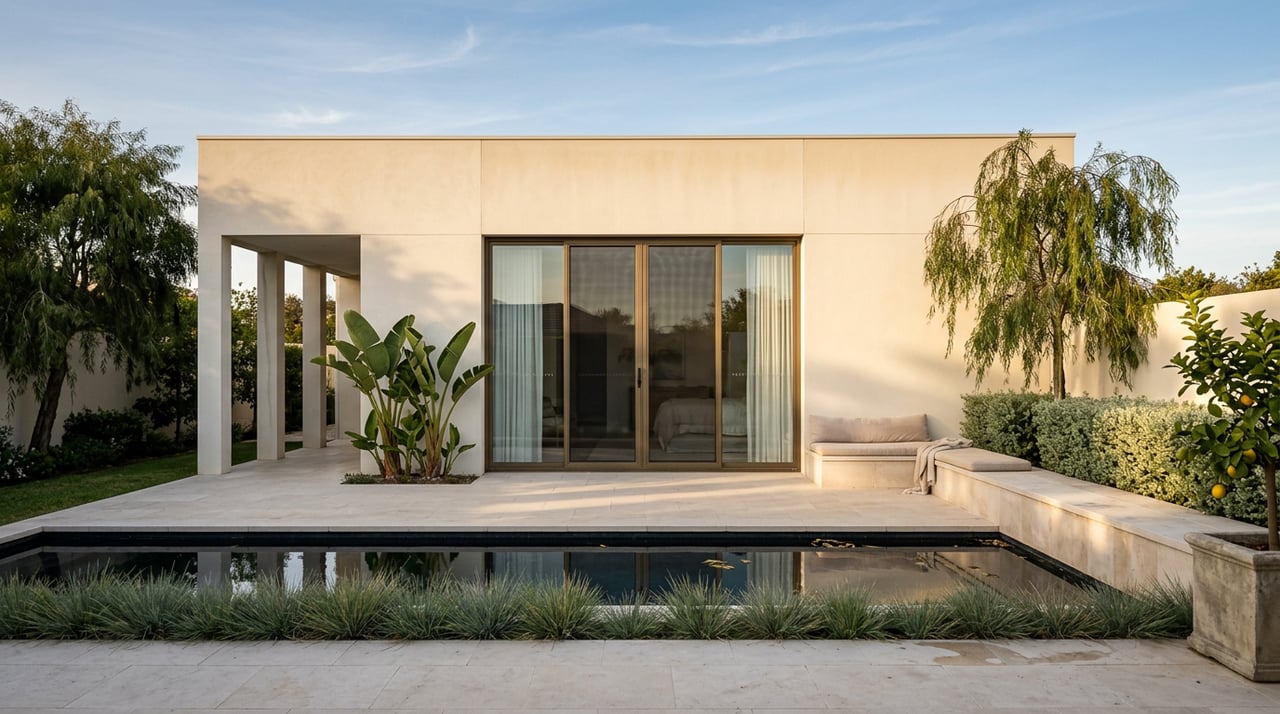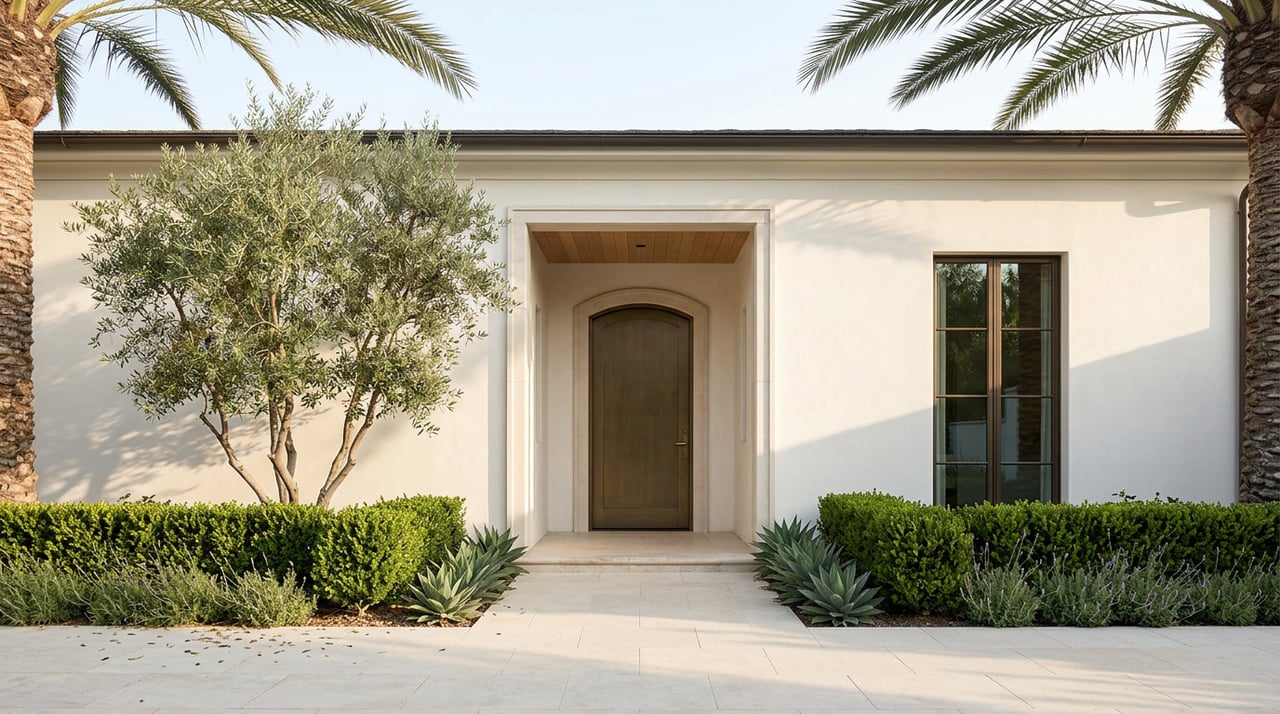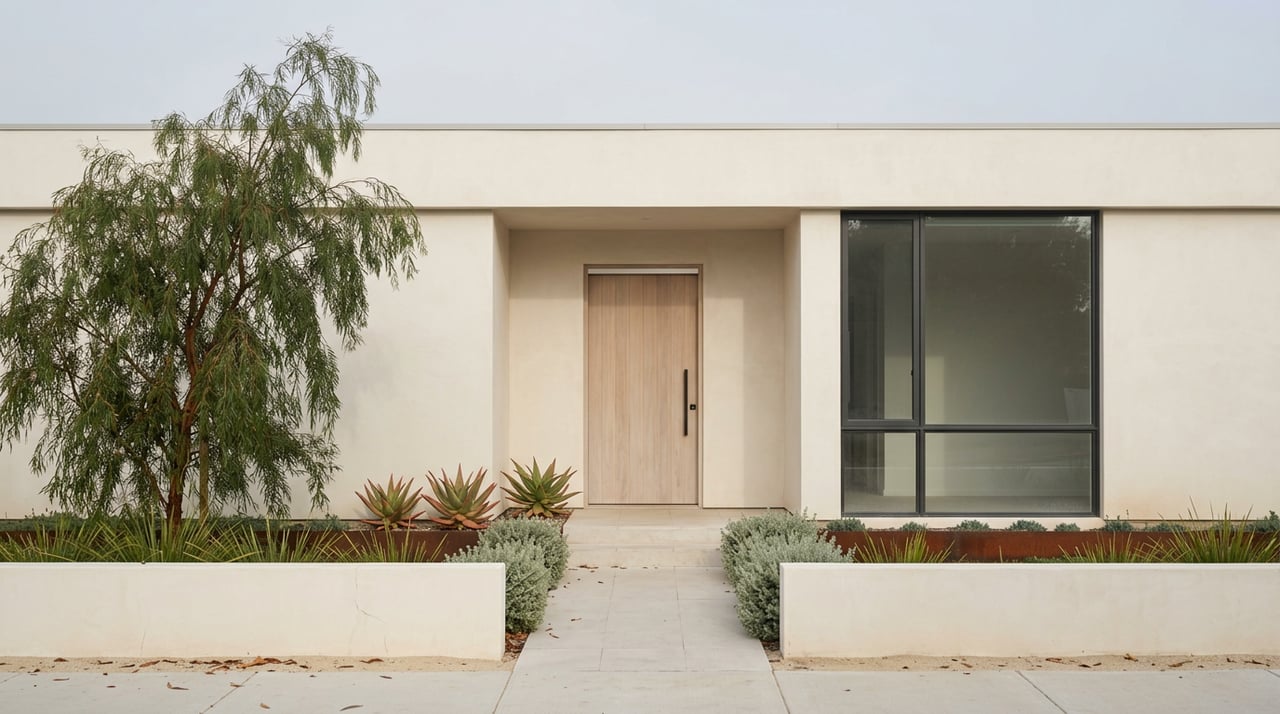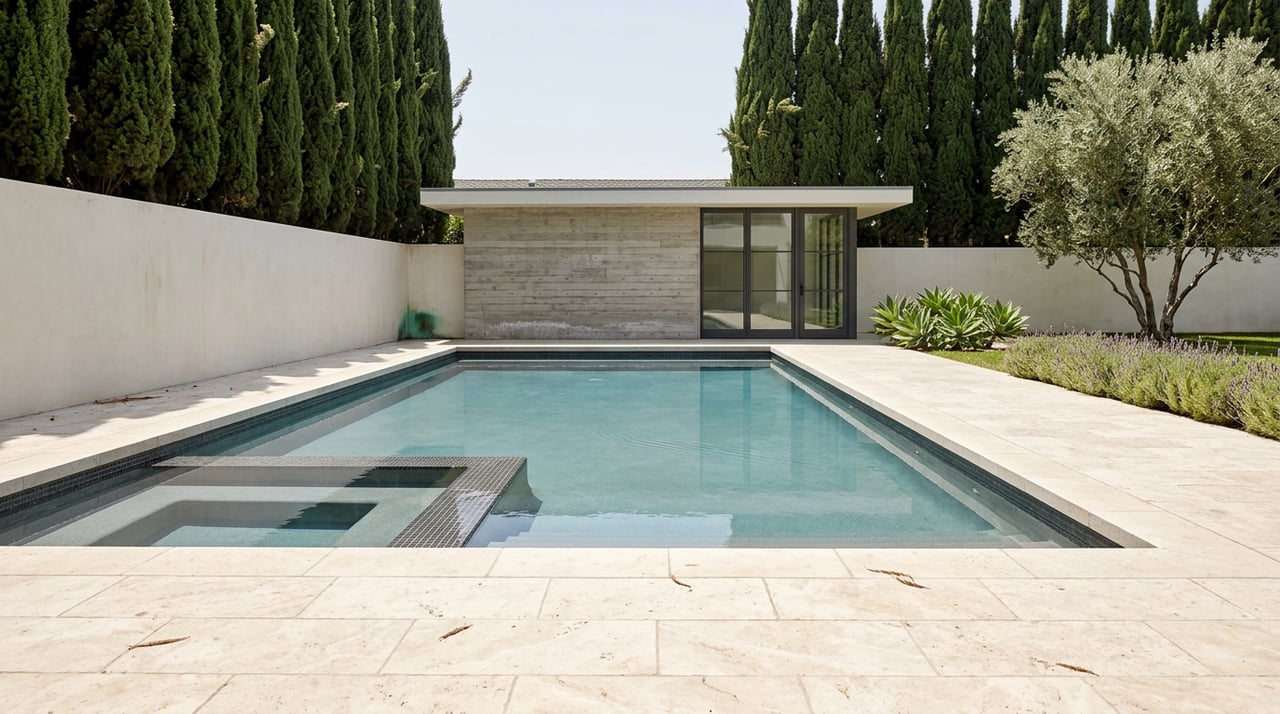
A brand new spec mansion on Highwood Street in Brentwood Park closed escrow on September 1 for $26 million. The buyer, described as a local business executive, was brought to the table by Compass agent Josh Flagg, familiar to many as one of the stars of Million Dollar Listing Los Angeles. The seller was Kurt Rappaport, co-founder of Westside Estate Agency, who developed the half-acre gated property himself and represented himself in the sale.
The house earns its price. Thirteen thousand seventy seven square feet, five bedrooms, nine bathrooms, a Dolby Atmos theater, a wine tasting cellar, and a wellness wing with a gym, sauna and massage room, finished in a warm contemporary style in 2023. What is less visible in the listing photos is the bill that arrived with the deed. Because the sale closed inside the City of Los Angeles at a price above ten point nine million dollars, Rappaport owes the city roughly 1.43 million dollars under Measure ULA, the transfer tax Angelenos know as the mansion tax.
That number is not an anomaly. It is the predictable output of a formula every Brentwood seller above five million dollars needs to understand before a home ever hits the market, because the formula does not work the way most people assume, and the boundary that triggers it does not follow the logic of the neighborhood at all.
The tax applies to the whole price, not the part above the line
Measure ULA took effect in April 2023 after Los Angeles voters approved it to fund affordable housing and tenant legal aid. It is a transfer tax, paid by the seller at closing, layered on top of the standard city and county documentary transfer taxes that already apply to every deed recorded in Los Angeles.
The thresholds move each year. Effective for transactions closing after June 30, 2026, the rates and bands are as follows.
| Sale price | ULA rate | Tax on a sale at the top of the range |
|---|---|---|
| $5.4 million to just under $10.9 million | 4% | $435,960 on a $10,899,000 sale |
| $10.9 million and above | 5.5% | $599,500 on a $10,900,000 sale |
The design that trips people up sits in that second column. The rate is not applied to the portion of the price above the threshold. It applies to the entire sale price. A home that sells for exactly 5.4 million dollars owes 216,000 dollars. A home that sells for exactly 10.9 million dollars owes 599,500 dollars, calculated on the full 10.9 million, not on the amount above the first threshold.
One dollar can cost a seller $163,000
Run the math on either side of the upper line and the cliff becomes obvious. A sale priced at 10,899,999 dollars falls in the 4 percent tier and owes roughly 436,000 dollars. A sale priced at 10,900,000 dollars, one dollar higher, falls in the 5.5 percent tier and owes 599,500 dollars. The difference for that single dollar of sale price is more than 163,000 dollars in additional tax.
This is why pricing strategy for a Brentwood estate near either threshold is not a matter of taste. It is arithmetic. Every negotiation that settles a final number a hair above 5.4 million or 10.9 million is settling a tax bracket at the same time, and the two decisions are rarely discussed together until the closing statement is already in front of the seller.
Why the line runs through Brentwood and not through Beverly Hills
Measure ULA is a City of Los Angeles ordinance. It applies only within the incorporated boundaries of the city itself. Brentwood, Bel Air, Pacific Palisades and Holmby Hills sit inside those boundaries. Beverly Hills, Santa Monica and Culver City are separate incorporated cities with their own transfer tax rules, and none of them collect Measure ULA on a sale.
That means two homes with nearly identical price tags can face entirely different closing costs depending on which side of a municipal line they sit. A 7 million dollar estate in Beverly Hills owes the standard county documentary transfer tax and nothing more. A 7 million dollar estate in Brentwood owes that same base tax plus 280,000 dollars in ULA, because the four percent rate applies to the whole price.
Brentwood's mix of large canyon lots and compound estates in Brentwood Park regularly clears the 5 million dollar mark, which puts a meaningful share of the neighborhood's higher tier inventory squarely inside the exposed range. A seller weighing an offer in Brentwood is weighing a different net proceeds calculation than a seller fielding a comparable offer two miles away across the city line, and that difference has nothing to do with the house.
The tax has changed how deals get made, not just what they cost
The Highwood Street property first came to market three years before it closed, putting its original listing date not long after Measure ULA took effect in April 2023. Long hold times at this price tier are not unusual. A UCLA analysis, cited by the Cato Institute, found that after the tax took effect, eligible high value property transactions in Los Angeles fell by somewhere between 38 and 50 percent, and that the city has collected roughly 290 million dollars a year, well short of original projections that ran from 600 million to 1.1 billion dollars annually. By January 2026, cumulative collections since 2023 had passed 1 billion dollars.
The gap between those projections and the actual collections is itself informative. Sellers near the thresholds are pricing carefully, timing listings around anticipated threshold adjustments, and in some cases holding properties longer than they otherwise would rather than transact at a price that trips the higher tier. None of that shows up in a median price chart. It shows up in how long a listing like Highwood Street sits before the right number and the right buyer arrive at the same moment.
The rules are still being negotiated
Measure ULA has survived legal challenges in state and federal court, but it has not settled into permanent form. A statewide initiative backed by the Howard Jarvis Taxpayers Association was working toward qualification for the November 2026 ballot with language that could repeal or sharply limit the tax. Separately, a coalition called Mend It Don't End It proposed six amendments to the Los Angeles City Council in the spring of 2026, and The Real Deal reported that almost none of them targeted the single family residential market that has paid roughly 59 percent of everything the tax has collected. The one residential proposal in that package would grant a three to five year exemption to owners affected by the Palisades Fire and future declared disasters.
The Council itself has moved in fits and starts. It declined to advance a broader reform package for the June 2026 ballot, then in June voted 9 to 5 to direct the City Attorney to draft possible November ballot language exempting new multifamily construction for its first ten years, and a separate measure that would exempt Pacific Palisades homeowners selling after the January 2025 fire. As of this writing, neither has become law. A Brentwood seller listing a home today should plan around the thresholds as they currently stand, not around a carve out that may or may not appear on a future ballot.
A few questions worth asking before you list
Does Measure ULA apply if I transfer my Brentwood home to my children or into a trust rather than selling it? No. The tax is triggered by a sale for consideration. Transfers at death, and transfers into a revocable trust, do not trigger it. A subsequent sale by an heir or the trust would still be measured against the thresholds in effect at that time.
Will the thresholds change again next year? Yes. The city adjusts both figures each July 1 based on the chained Consumer Price Index. The 5.4 million and 10.9 million dollar marks apply to transactions closing after June 30, 2026, and will move again before next summer.
If Beverly Hills is exempt, could a Brentwood seller structure a sale to avoid the tax? The exemption belongs to the city boundary, not to any individual seller. A Brentwood address inside Los Angeles city limits cannot opt out by restructuring the sale itself, and tax authorities scrutinize artificially reduced sale prices closely.
Selling a Brentwood estate above five million dollars is as much a pricing conversation as it is a marketing one. The difference between a number that lands just under a threshold and one that lands just over it can run into six figures, and the answer depends on knowing exactly where your address sits relative to a city line that has nothing to do with your street's character or your home's value.
If you are weighing a sale in Brentwood, Bel Air or anywhere else on the Westside where this line matters, Kathy Marshall can walk through the net proceeds math with you before you set a price, not after an offer arrives. Request a Private Valuation & Consultation to see exactly where your property stands.