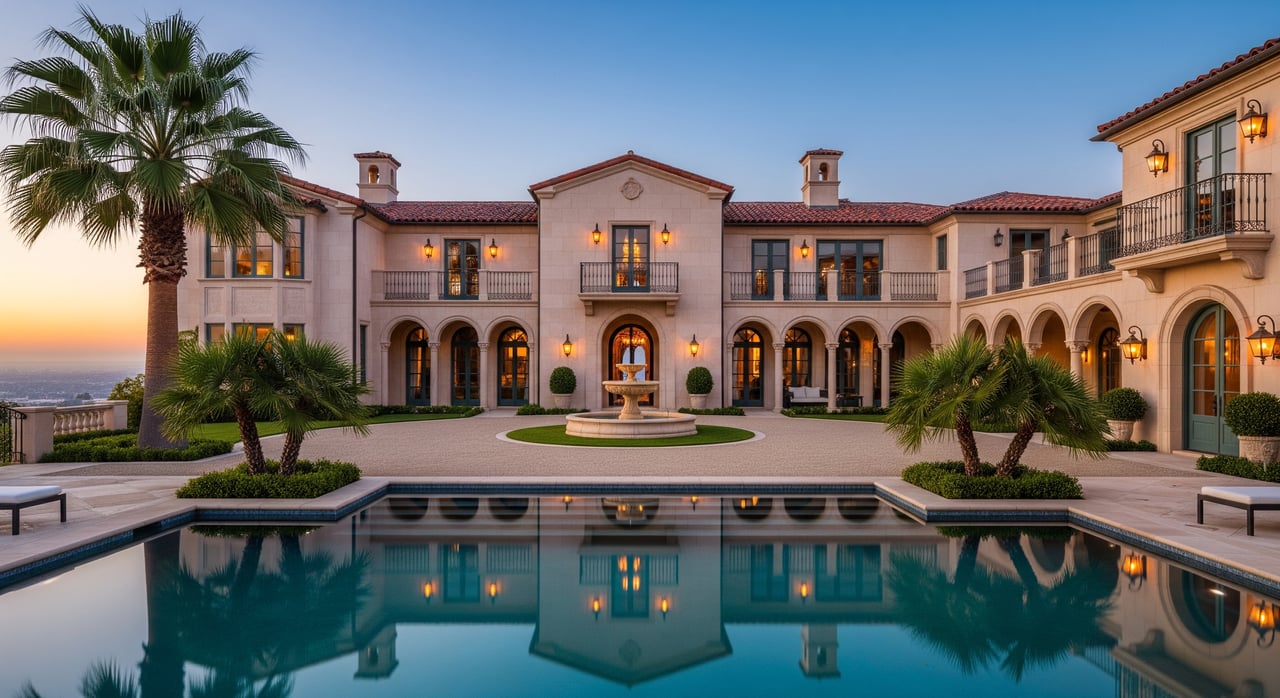
Is every high-priced home a trophy estate? Not in Beverly Hills. At this level, price alone does not tell the whole story. You are buying cultural weight, irreplaceable siting, and a level of privacy and pedigree that only a handful of properties can offer.
In this guide, you will learn how true trophy estates are defined in Beverly Hills, how address and micro-location shape value, and what to consider if you plan to buy or sell one. You will also find practical checklists to help you move forward with confidence. Let’s dive in.
What “trophy estate” really means
A trophy estate is not a legal category. It is a market and cultural label used in the very top echelon of the Beverly Hills and Westside market. Two frameworks work together:
- Market position: The property sits in the top tier of pricing in its submarket, often the top 1 percent or even top 0.1 percent by price or price-per-acre.
- Qualitative attributes: Architectural pedigree, landmark provenance, premier lot orientation, near-total privacy, and unobstructed views.
You usually see both at once. Market signals often include record or near-record sales, off-market activity, long-term ownership by notable figures, and repeated coverage in luxury channels.
Beverly Hills address hierarchy
In Beverly Hills, address nuances matter. A City of Beverly Hills address carries distinct municipal identity and services. Properties labeled “Beverly Hills Post Office” sit in the 90210 ZIP but are often within the City of Los Angeles. That difference can affect permitting, zoning and how the home is perceived.
Micro-neighborhoods also carry weight:
- Beverly Hills Flats: Level, garden-scaled parcels that suit classical compounds and estate gardens.
- Trousdale Estates: Ridgeline lots prized for dramatic privacy and panoramic views.
- Adjacent enclaves: Bel Air and Holmby Hills are part of the broader Westside ultra-luxury set, with their own municipal standards.
Architectural pedigree and provenance
Pedigree drives value. Estates credited to notable architects or designers, with documented history and original or restored signature elements, are scarce and culturally important. Provenance that is well documented can command a premium beyond typical price-per-square-foot comparisons. Celebrity ownership can help, but it rarely defines a trophy on its own without site and design to match.
Site, views and privacy
At the trophy level, the site is often the star. You are looking for:
- Lot and orientation: One or more acres, or an elevated ridgeline position, planned for city-to-ocean or canyon vistas and desirable sun exposure.
- View permanence: Vistas protected from future obstruction, both from principal rooms and outdoor living areas.
- Privacy and security: Gated approach, long motor court, topography that shields the home, mature landscape buffers, separate service and guest access, and integrated security systems.
Grand scale and best-in-class systems
True estates present scale without excess. Expect double-height entries, multiple reception rooms, large primary suites, generous staff quarters, and well-planned service spaces. Behind the scenes, top-tier mechanical, electrical and plumbing systems matter, along with elevators, screening rooms, wine storage, indoor-outdoor flow, extensive terraces, and a pool. Redundant infrastructure is common at this level for resilience.
Flats vs ridgeline lots
Both can be trophy. The Flats support classic compounds with gardens and courts. Ridgeline sites, such as those in Trousdale-style settings, trade garden expanses for thrilling privacy and far-reaching views. Your choice comes down to lifestyle, design preference and how you entertain.
Valuation drivers that matter most
Several forces shape value beyond raw size:
- Extreme scarcity: Only a tiny portion of inventory qualifies. Scarcity amplifies value.
- Views, lot size and privacy: These are value multipliers in Beverly Hills more than square footage alone.
- Provenance and architecture: Documented history and recognized design pedigree add intangible worth.
- Development potential: The ability to expand livable area without losing privacy or views can move the needle, subject to zoning and hillside controls.
- Market absorption: Trophy estates can trade more slowly and privately. Global reach and bespoke marketing help.
How top estates trade and market
Many trophy properties change hands off-market for privacy. When public, marketing often targets UHNW networks with invitation-only events, bespoke films and high-end printed presentations. Selling brokers typically bring international reach, established relationships and an understanding of security logistics.
Appraisals and financing at the top tier
Appraisers may look beyond immediate neighborhood borders when true comparables are scarce, using time-adjusted data and replacement cost plus a site premium. Many transactions are cash. When financing is used, you will see jumbo or super-jumbo loans with tailored underwriting and additional due diligence for title, environmental and seismic factors.
Costs of owning a trophy estate
Carrying costs are meaningful at this level. Plan for property taxes, insurance, staffing and maintenance. A conservative rule of thumb is 1 to 3 percent or more of property value per year, depending on scale and staffing.
Regulatory and risk factors
Jurisdiction shapes what you can do. The City of Beverly Hills has its own codes and preservation processes, while many BHPO properties fall under City of Los Angeles rules, including hillside standards. Historic designations can limit alterations. Hillside estates can require engineering, grading and environmental review that may lengthen timelines. Natural hazard exposure varies by location, including seismic, wildfire and landslide considerations. Older estates can also include legacy easements or covenants that influence plans.
Buyer checklist: validate the trophy
- Site and views: Confirm view easements and nearby development risks. Review geotechnical reports where relevant.
- Provenance: Verify architect attribution, ownership history and any historic designations.
- Habitability and logistics: Plan for staff housing, service access, generators and water redundancy.
- Regulatory scope: Check zoning, allowable floor area, and any limits on alteration or demolition.
- Ongoing costs: Model taxes, insurance, staffing and preservation expenses.
Seller checklist: position for premium
- Provenance file: Assemble records, permits, appraisals and restoration documents.
- Condition and systems: Commission independent inspections for structure, MEP, security and life-safety.
- Privacy plan: Create secure showing protocols and a clear media or discretion strategy.
- Pricing and path: Decide on public listing versus private placement and target buyer geographies.
- Specialists: Engage an experienced luxury broker, architectural historian if needed, landscape and security consultants, tax advisor and a high-end presentation team.
Quick ways to spot a true trophy
- The property ranks at the very top of the local market by price or price-per-acre.
- Architecture and provenance are documented and distinctive.
- The lot orientation secures protected, panoramic views and privacy.
- Marketing is global and often private, with interest from UHNW networks.
How a trusted advisor helps
Representation matters more when inventory is scarce and nuances are many. You want an advisor with deep local knowledge, off-market access, and the ability to tell a property’s story through refined, design-led marketing while protecting your privacy. If you are weighing whether your property qualifies as a trophy estate, or if you want discreet access to the right opportunities, a private consultation can clarify your best path.
Ready to talk next steps in Beverly Hills or the broader Westside. Connect with Kathy Marshall for a Private Valuation and Consultation tailored to your goals.
FAQs
What makes a trophy estate different from luxury homes?
- Trophy estates sit at the very top of the market and pair extreme scarcity with qualitative hallmarks like pedigree, privacy, views and provenance.
Does celebrity ownership alone create trophy status?
- Celebrity ownership can add interest, but true trophy status typically requires exceptional site, architecture or historic importance.
How important is 90210 versus a City of Beverly Hills address?
- Both carry cachet, but legal jurisdiction affects permitting and services. Many buyers prize a City of Beverly Hills address for its municipal identity.
Can a new modern mansion qualify as a trophy estate?
- Yes. New construction by a recognized firm can be trophy if it delivers uniqueness, design pedigree, and top-tier market positioning.
What are the fastest signals that a property is a true trophy?
- Check recent record-level sales, documented pedigree and provenance, lot orientation with protected views, and whether marketing targets global UHNW networks.
What should buyers budget for annual carrying costs?
- A conservative estimate is 1 to 3 percent or more of property value per year for taxes, insurance, staffing and maintenance, depending on scale and staffing.