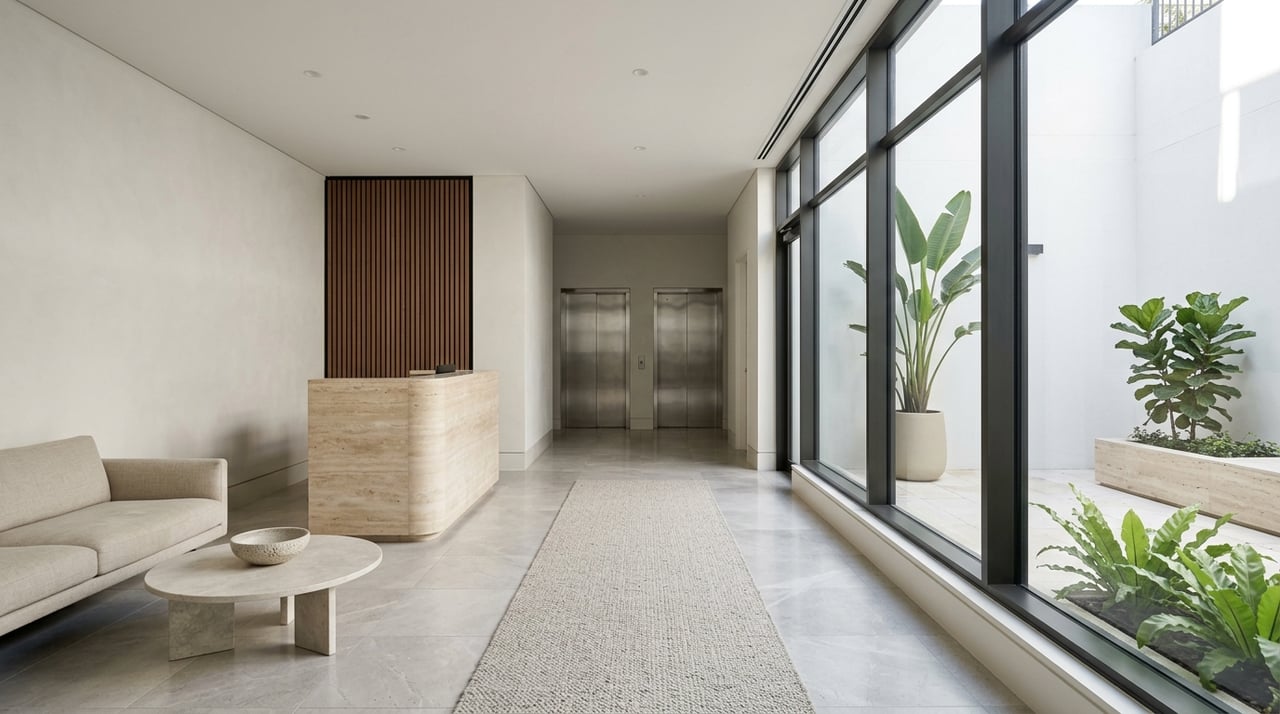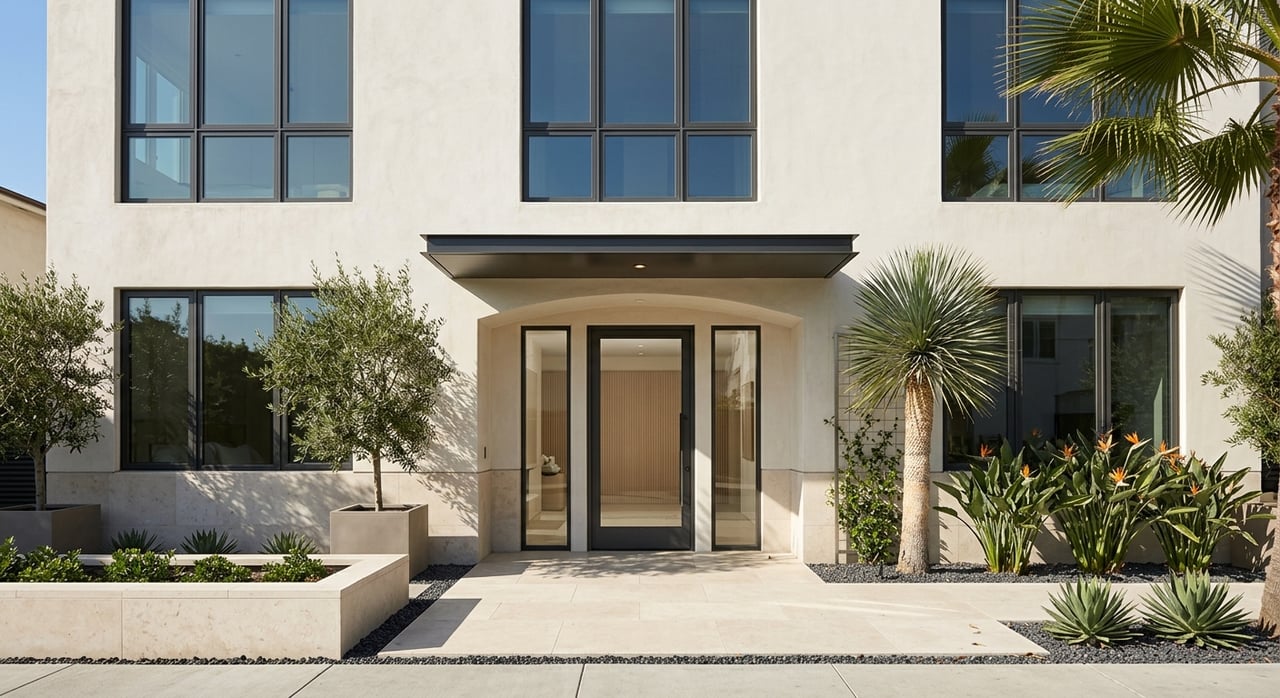
What if the way a home is designed changes how you experience every hour of your day? In Beverly Hills, architecture does exactly that. It shapes how light enters a room, how private your outdoor spaces feel, how you welcome guests, and even how a home settles into its street. If you are buying, selling, or simply trying to understand what makes this market so distinct, it helps to see Beverly Hills architecture as more than style. Let’s dive in.
Architecture Is Part of Beverly Hills Identity
In Beverly Hills, residential architecture is closely tied to the city’s identity. City materials describe neighborhood beauty and quality as a result of generous setbacks, gracious architecture, and careful attention to detail. Local design guidance also aims to protect neighborhood character, garden quality, and property values.
That broader setting matters when you experience a home in real life. Beverly Hills is not just a collection of facades. The city’s visual character is shaped by mature tree-lined streets, lot placement, landscape design, and the relationship between the house and the street.
This is one reason homes here often feel memorable before you even step inside. The arrival path, the setback, the canopy of trees, and the architectural rhythm of the block all contribute to how daily life feels.
How Style Changes Daily Living
A home’s architecture influences more than curb appeal. In Beverly Hills, it often affects privacy, sunlight, entertaining flow, and the connection between indoor and outdoor spaces.
Some homes feel sheltered and layered. Others feel formal and composed. Others open up dramatically to daylight and garden views. Understanding those differences can help you identify which kind of living experience suits you best.
Spanish-Inspired Homes Feel Layered
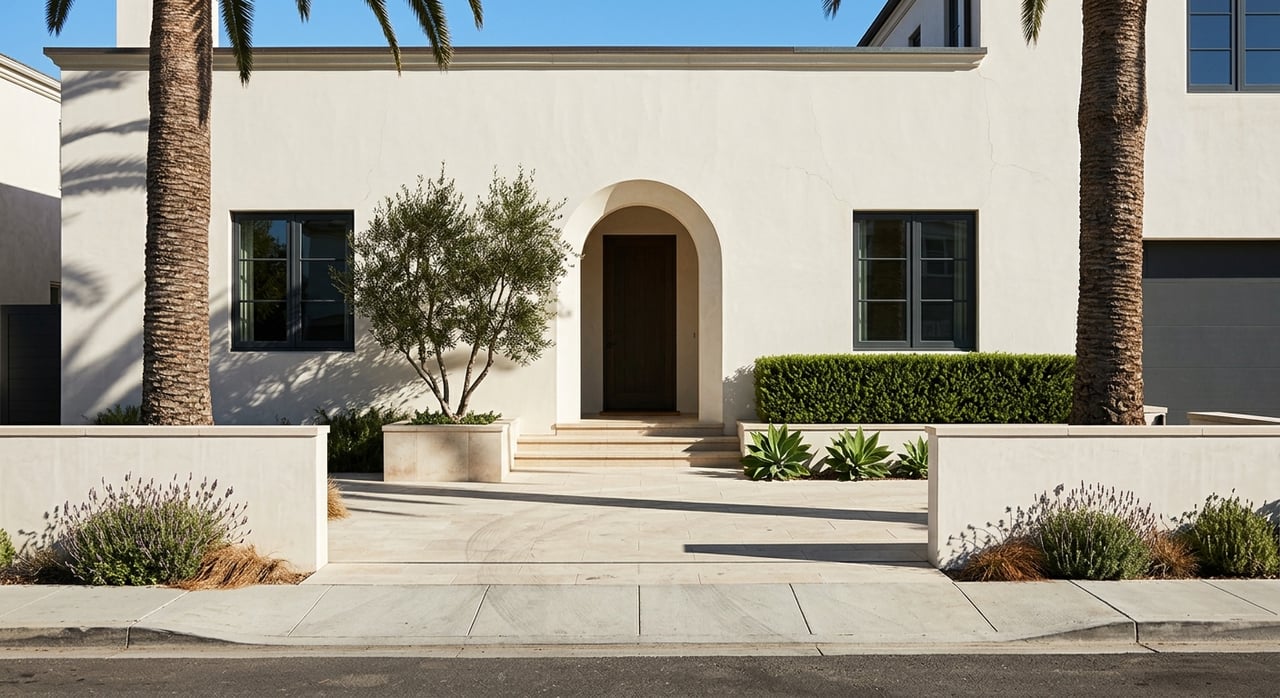
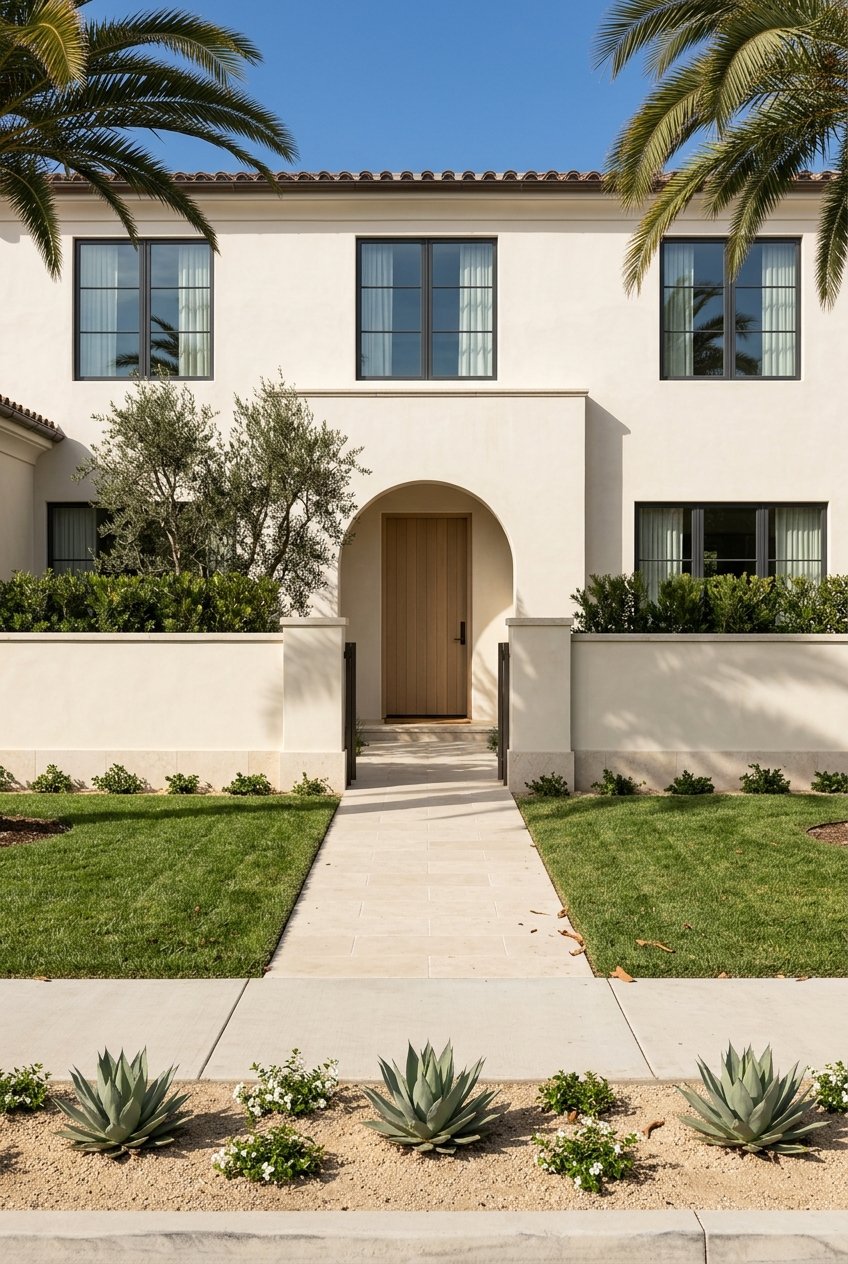
Beverly Hills recognizes several Spanish-derived styles, including Spanish Mission Revival and Monterey. These homes often feature low-pitched roofs, large forms organized around indoor and outdoor rooms, heavy rounded eaves, recessed arched entries, patios, courtyards, balconies, and decorative wood or iron details.
In practical terms, these homes often feel private and calm. Courtyards, enclosed patios, and recessed openings can soften street exposure and filter light before you reach the main interior. Deep eaves and sheltered outdoor areas also support a more relaxed indoor-outdoor rhythm.
That makes these homes especially appealing if you value terraces, gardens, and spaces that feel social without being overly exposed. In Beverly Hills, this architectural language often pairs naturally with stucco walls, terra-cotta roofing, and subtropical planting.
Georgian And Federal Revival Feel Balanced
Beverly Hills also includes Georgian and Federal Revival homes. The city’s residential catalog describes them as two-story houses with stately linear shapes, symmetry or balanced compositions, classical entry treatments, columns, porticos, bay or Palladian windows, and porte-cocheres.
These homes tend to create a strong sense of order and arrival. Symmetry and classical detailing can make the exterior feel composed and elegant, while mature planting helps soften the form within the landscape. The result is often a home that feels formal, restrained, and timeless.
For buyers who prefer proportion over drama, this style can be especially compelling. It often suits those who want an architectural presence that reads polished rather than highly expressive.
Contemporary Homes Feel Open And Bright
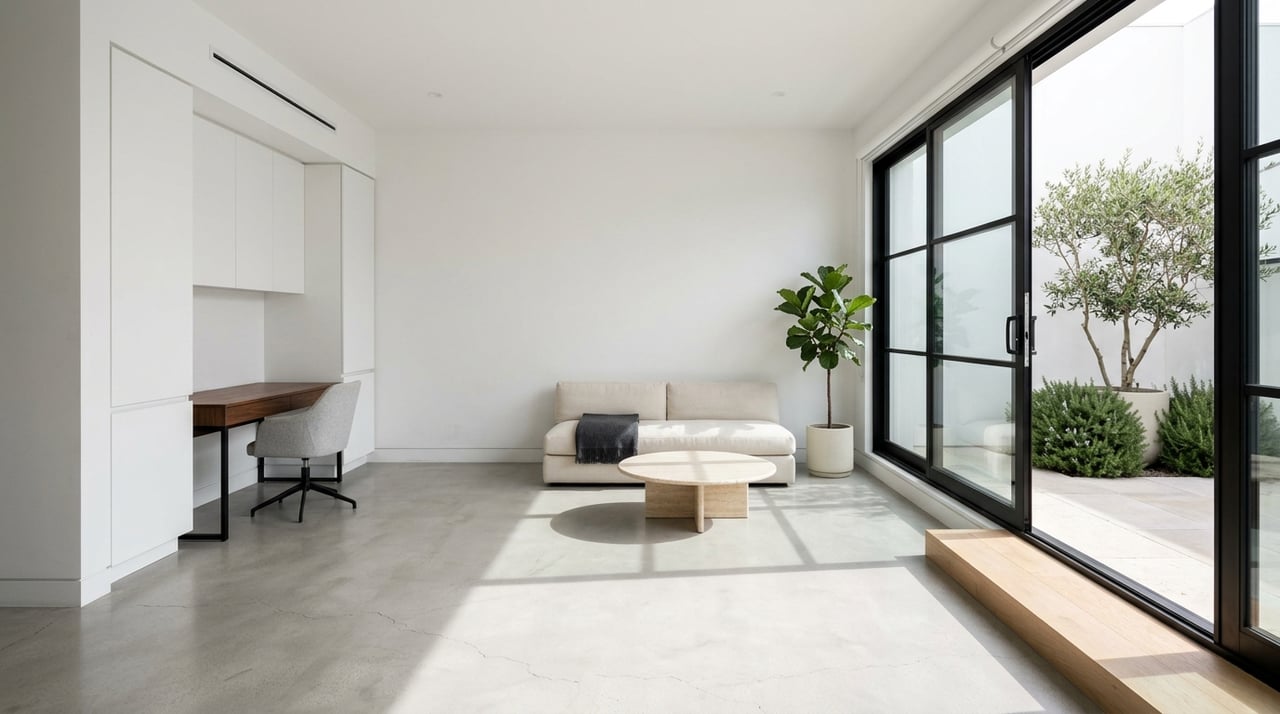
Contemporary architecture is another major part of the Beverly Hills residential story. The city’s catalog includes Moderne, International Style, and Postmodern examples, with features such as clean geometric forms, integrated openings, ribbon windows, concrete, steel, glass exteriors, balconies, and indoor-outdoor spaces.
These homes usually prioritize openness, daylight, and long views. Large areas of glazing and expansive openings can create striking visual connections between interior rooms and outdoor spaces. For many buyers, that translates into a more dramatic and design-forward living environment.
The tradeoff is that privacy often has to be created differently. Instead of relying on enclosed courtyards or smaller openings, contemporary homes may depend more on site orientation, landscaping, screening, and massing.
Light Feels Different In Every Style
One of the clearest ways architecture shapes life in Beverly Hills is through light. The same square footage can feel entirely different depending on the home’s style and design approach.
Spanish Mission Revival and Monterey homes often temper sunlight through deep eaves, balconies, recessed openings, and patio-centered layouts. That can create rooms that feel cooler, softer, and more sheltered throughout the day.
Georgian and Federal Revival homes tend to use balanced window placement and structured front-facing compositions. This often creates a more formal sequence of spaces, where natural light supports symmetry and proportion.
Contemporary homes usually push in the opposite direction. With glass walls, ribbon windows, and open layouts, they often maximize brightness and emphasize visual drama. If you love sun-filled spaces and broad sightlines, this architectural category may speak to you immediately.
Privacy Is Built Into The Design
In Beverly Hills, privacy is not just about hedges or gates. It is often built directly into the architecture.
City guidance emphasizes generous setbacks, lush landscaping, and sensitivity to surrounding properties. That means privacy is often achieved through a combination of lot placement, garden design, and thoughtful massing.
Spanish-style homes often do this through enclosed patios, courtyards, and recessed entries. These features can create a sense of retreat while still supporting outdoor living and entertaining.
Contemporary homes usually solve privacy in a more open architectural language. Window placement, screening, structural planting, and orientation become essential. In both cases, the architecture shapes how much of the street you experience and how connected your interiors feel to the outside.
Landscape Is Part Of The Architecture
In Beverly Hills, landscape is not an afterthought. The city’s design materials repeatedly connect architecture with quality materials and landscape design, and the General Plan background report identifies mature trees, parkways, street lights, and fountains as part of the city’s historic visual fabric.
That means the experience of a house often begins well before the front door. A shaded approach, a garden court, or a broad setback framed by mature trees can define the mood of the property.
For buyers, this is worth paying close attention to. A home’s setting can shape daily enjoyment just as much as the floor plan. For sellers, it is a reminder that architecture and landscape are often read together as one story.
Neighborhood Character Shapes Long-Term Value
Beverly Hills takes neighborhood character seriously. The city’s Architectural and Design Review Commission evaluates visible exterior work for design compatibility, prevailing styles, neighborhood character, scale, and mass.
This has practical importance if you are considering updates or evaluating a home’s long-term appeal. New houses, facade remodels, painting, and window replacement in the Central Area may be subject to design review. That process is meant to help projects remain compatible with the surrounding architectural context.
For buyers, this can support a sense of continuity and visual order. For sellers, it reinforces why authenticity, materials, and coherent design matter when presenting and maintaining a property.
Historic Context Still Matters
Beverly Hills also conducts recurring historic-resource surveys to identify places of social, historical, and architectural significance. Landmark designation requires age, aesthetic value, stylistic distinction, integrity, and continued historic value.
Not every older home is designated, but the city’s approach signals something important about the market. Architectural integrity matters here. Homes that retain coherent proportions, materials, fenestration, and landscape relationships often age more gracefully and feel more satisfying over time.
That is part of what makes Beverly Hills different from markets where architecture is treated as surface-level styling. Here, the relationship between design and daily life tends to run much deeper.
What Buyers And Sellers Should Notice
If you are buying in Beverly Hills, it helps to look beyond finishes and square footage. Ask how the architecture handles light, privacy, arrival, and outdoor living. Notice whether the home feels inward-looking and sheltered, formal and balanced, or open and expansive.
If you are selling, think about the story your home already tells. In this market, buyers often respond to architectural coherence, thoughtful landscaping, and a sense that the home belongs naturally to its site and style.
In other words, architecture in Beverly Hills is not just about appearance. It influences how a property lives, how it is perceived, and how it endures.
If you are considering a move, preparing a sale, or evaluating the design story behind your property, Kathy Marshall offers discreet, design-minded guidance rooted in long local experience.
FAQs
How does architecture affect daily life in Beverly Hills?
- Architecture can shape how much light a home receives, how private it feels, how indoor and outdoor spaces connect, and how welcoming the arrival experience feels.
What architectural styles are common in Beverly Hills homes?
- Beverly Hills includes Spanish Mission Revival, Monterey, Georgian, Federal Revival, and contemporary categories such as Moderne, International Style, and Postmodern.
Why do Spanish-style homes in Beverly Hills feel more private?
- Many Spanish-style homes use courtyards, enclosed patios, recessed entries, and deep eaves, which can soften street exposure and create a more sheltered living experience.
How do contemporary Beverly Hills homes create privacy?
- Contemporary homes often rely on landscape design, screening, window placement, site orientation, and massing rather than enclosed courtyards or smaller openings.
Why does landscape matter so much in Beverly Hills architecture?
- Local planning and design materials treat landscape, mature trees, setbacks, and garden quality as part of the city’s visual character, so the setting often shapes the experience of the home as much as the structure itself.
What should Beverly Hills buyers know about exterior renovations?
- In the Central Area, visible exterior work such as new houses, facade remodels, painting, and window replacement may be subject to city design review for compatibility with neighborhood character and prevailing styles.