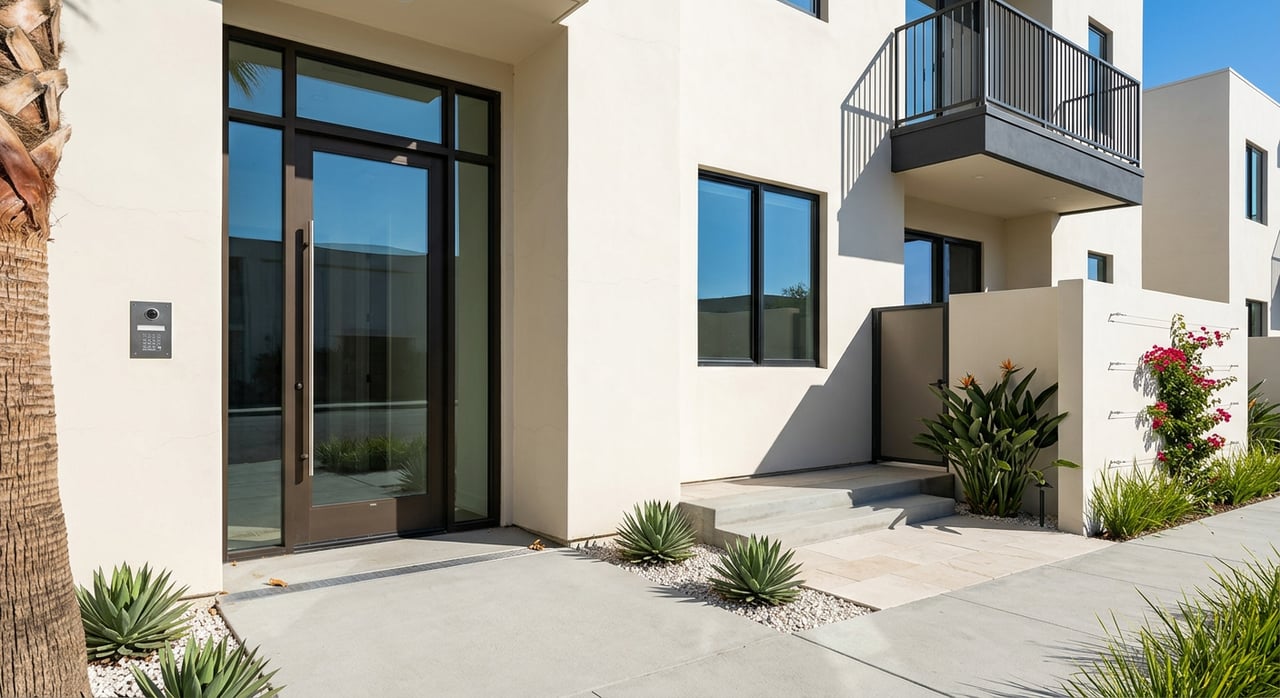
You want the Santa Monica beach lifestyle, but you also want to buy smart. The choice between a condo and a townhome shapes your daily routine, your costs, and your long‑term flexibility. The catch is that the building style can be misleading, and local rules near the coast add layers you should sort out before you write an offer. In this guide, you will learn what you actually own, how HOAs affect your budget, how financing can limit your options, and which Santa Monica rules matter for use, parking and resale. Let’s dive in.
Condo vs. townhome: what you actually own
In California, most multi‑unit communities fall under the Davis‑Stirling Common Interest Development Act, which sets definitions and disclosure rules for condos, planned developments and HOAs. The legal structure, not the building’s look, drives maintenance, insurance and financing. If you are eyeing a “townhome,” confirm the legal form before assuming anything about ownership or control. You can start by reviewing the legal description on title, the recorded map or condominium plan, and the CC&Rs. For statutory background, see the Davis‑Stirling Act beginning at Civil Code section 4000.
Condos: interior ownership, shared systems
In a condominium, you typically own your unit interior and an undivided interest in the common elements. Roofs, façades, plumbing risers, elevators and amenities are usually HOA responsibilities. Your monthly assessment funds operations and reserves for big‑ticket replacements. Your personal policy focuses on your interior improvements, personal property and loss assessment coverage because the master policy covers common areas.
One Santa Monica wrinkle is outdoor space. Patios and balconies in condo projects are often classified as exclusive‑use common areas. That means you have sole use, but the HOA controls maintenance standards and rules. If outside space matters to you, ask whether a yard or balcony is part of your separate interest, exclusive‑use common area, or common area under Civil Code section 4145.
Townhomes: style versus legal form
A “townhome” is a building style, not a guarantee of fee‑simple ownership. In Santa Monica, some townhomes are fee‑simple homes within a planned development, and others are legally condominium units. The difference changes who handles the roof and exterior, how your insurance is structured, and how lenders underwrite the property. Confirm the legal form in writing before you price renovations or compare monthly costs.
If the townhome is fee‑simple, you usually control the exterior and bear more direct maintenance costs. If the townhome is legally a condo, many exterior responsibilities shift back to the HOA. Two identical homes can produce very different risk profiles and long‑term costs because of this legal distinction.
HOA fees, reserves and insurance: what to read closely
Your HOA is a financial engine that runs your building. Strong reserves and clear planning keep surprise assessments in check. Thin reserves and unresolved issues can ripple into affordability and future resale. California law gives you tools to evaluate this early in escrow.
The resale packet you should receive
Sellers and associations must provide a specific resale disclosure package that includes CC&Rs, bylaws, rules, the most recent annual budget report with a reserve summary, regular and special assessment details, an insurance summary, and notices of any unresolved violations. You can also request 12 months of meeting minutes. Review this carefully and keep your HOA review contingency until you finish. See the required items in Civil Code section 4525.
Reserves and the risk of special assessments
Associations are required to conduct a reserve study and disclose a reserve summary in the annual budget report. The study looks at major components over a 30‑year horizon and outlines funding plans. Pay attention to the percent funded, any planned special assessments, and upcoming capital projects like roof replacements or façade repairs. A building with aging systems and underfunded reserves has a higher chance of special assessments. The reserve study requirements appear in Civil Code section 5550.
Master policy versus owner policy
The association holds a master policy that insures common areas and sometimes limited portions of unit interiors. Your personal policy fills the gaps, including improvements, personal property, personal liability and loss assessment coverage. The master policy type, often called bare‑walls or all‑in, affects your cost and risk. You should insist on the insurance summary and declarations pages that HOAs must include with the budget report under Civil Code section 5300.
Financing and resale: why FHA/VA status matters
If you plan to use FHA or VA financing, the project’s approval status can make or break your loan. Many condos require FHA or VA project certification. FHA may allow a Single‑Unit Approval in limited scenarios, but strict requirements apply, including owner‑occupancy, project financials and litigation status. HOAs disclose project approval status in the annual budget report under Civil Code section 5300.
From a marketability standpoint, buildings without FHA/VA approvals, or with thin reserves or pending litigation, may attract a smaller buyer pool. That can slow a resale or pressure pricing. For the mechanics of project approval and Single‑Unit Approvals, review HUD’s guidance summarized in this OMB filing for FHA condominium approvals.
Fee‑simple townhomes often finance more like single‑family homes, which can simplify underwriting. That said, always verify any HOA rules, assessments and insurance obligations that could affect your debt‑to‑income or cash reserves.
Santa Monica rules that change the math
Local rules shape how you can use your property, especially near the beach. Build these factors into your purchase plan, even if you do not intend to rent.
Short‑term rentals and home‑sharing
Santa Monica prohibits unhosted vacation rentals. The City allows a regulated form of home‑sharing only when you live on site and follow registration and licensing rules. The City actively enforces these provisions. Do not assume you can run a short‑term rental in a beach‑area condo. See the City’s overview of enforcement related to its home‑sharing ordinance in this press release.
One‑year minimum lease requirement
The Residential Leasing Requirements Ordinance generally requires initial leases of at least one year and that units be rented unfurnished to tenants who use the home as their primary residence. This affects investors who planned short‑ or medium‑term strategies. Review the City’s licensing process for rentals on its residential rental business license page.
Rent control considerations
Santa Monica’s rent control regime, first adopted in 1979, covers many units based on specific criteria such as date of construction and conversion history. If you plan to rent now or later, confirm whether a property is subject to rent control and what that means for allowable rent increases and vacancy rules. You can explore City resources on the Rent Control Board page.
Coastal zone and permits
Parts of Santa Monica lie within the Coastal Zone, which can trigger coastal development review for certain projects. If you plan to remodel, verify past permit history and ask your design team about any coastal or hazard‑area studies that may apply. This extra step is especially relevant near the bluffs or shoreline.
Parking reality near the beach
Parking is a daily quality‑of‑life factor in Santa Monica’s beach neighborhoods. Some buildings offer deeded spaces, others use assigned or unassigned spots, and street parking is permit‑regulated. Clarify what transfers with the sale and whether there are additional fees or waitlists. For City parking programs and structure details, review Santa Monica’s parking information.
Cost and lifestyle trade‑offs to weigh
Santa Monica is a high‑cost market with strong demand for beach‑adjacent living. Condos often trade at lower entry prices than single‑family or fee‑simple townhomes, but HOA dues and potential assessments are a real part of the equation. Fee‑simple townhomes may provide more control and privacy, yet you carry more direct responsibility for exterior maintenance and insurance.
As you compare options, look beyond list price. Model your total monthly cost, including principal and interest, taxes, HOA dues, insurance and a prudent allowance for special assessments or exterior work if you own the structure. If you plan to rent in any form, layer in the City’s home‑sharing rules, the one‑year lease requirement, and rent control status before you count on income.
Quick buyer checklist for tours and offers
Use this to focus your due diligence from first tour through escrow.
- Confirm legal form. Ask for the legal description and recorded map or condominium plan to verify whether the home is a condo or fee‑simple within a planned development. Style is not the same as ownership.
- Request the HOA resale packet early. The packet must include CC&Rs, bylaws, rules, the budget report with reserve summary, assessment details, insurance summary, and notices of unresolved violations. See Civil Code section 4525.
- Budget for HOA fees and reserves. Read the reserve study and funding plan, and ask about upcoming capital projects. See Civil Code section 5550.
- Review insurance carefully. Obtain the association’s insurance summary and declarations pages provided with the budget report under Civil Code section 5300. Clarify what you must insure personally.
- Verify FHA/VA status if you need those loans. Ask your lender about the project’s status and whether a Single‑Unit Approval is realistic. See Civil Code section 5300 and HUD’s OMB summary for condo approvals.
- Check parking early. Confirm if spaces are deeded, assigned or unassigned and whether any third‑party garage spaces transfer. Review Santa Monica’s parking programs if you will rely on street or structure parking.
- Clarify outdoor space rights. Ask whether patios or balconies are part of your separate interest or exclusive‑use common areas regulated by the HOA under Civil Code section 4145.
- Understand City rental rules. Santa Monica prohibits unhosted vacation rentals and requires an initial one‑year lease for residential rentals. See the City’s home‑sharing enforcement overview and rental license process. Check rent control status on the Rent Control Board page.
- Plan for coastal and hazard reviews if near the beach. Ask for permit history and consult your architect about coastal review needs. Assess flood and earthquake insurance with your insurer and lender.
Work with a local, detail‑driven advisor
Choosing between a condo and a townhome near the beach involves more than a floor plan. It is a legal and financial structure, layered with HOA decisions and Santa Monica’s rules on rentals, parking and coastal oversight. A thoughtful plan protects your lifestyle today and your exit options later. If you want a quiet, bespoke process with high‑touch guidance and access to refined Westside inventory, connect with Kathy Marshall for a private consultation.
FAQs
What is the key difference between a condo and a townhome in Santa Monica?
- A condo typically gives you interior ownership with shared common areas, while a townhome can be either fee‑simple or a condo legally; the recorded documents and CC&Rs, governed by California’s Davis‑Stirling Act, define your rights and duties.
How do HOA reserves affect my monthly costs as a Santa Monica buyer?
- Reserves fund big repairs like roofs and façades; a strong reserve study and funding plan reduce the chance of special assessments, while thin reserves can raise future costs even if dues look low today.
Can I operate a short‑term vacation rental in a Santa Monica beach‑area condo?
- Unhosted vacation rentals are generally not allowed; the City permits only on‑site home‑sharing with proper registration, and your HOA may impose additional rental limits.
Why does FHA or VA project approval matter if I plan to resell?
- FHA/VA approvals expand the qualified buyer pool; without approval, financing options can narrow, which may slow a sale or affect pricing even if you purchased with cash.
What parking questions should I ask before making an offer in Santa Monica?
- Confirm how many spaces you get, whether they are deeded or assigned, where they are located, and whether any building or City programs affect your ability to park reliably.
What documents should I review during escrow for a Santa Monica condo or townhome?
- Review the HOA resale packet, the latest budget and reserve study, insurance declarations, 12 months of meeting minutes, assessment history and any notices of violations or litigation.