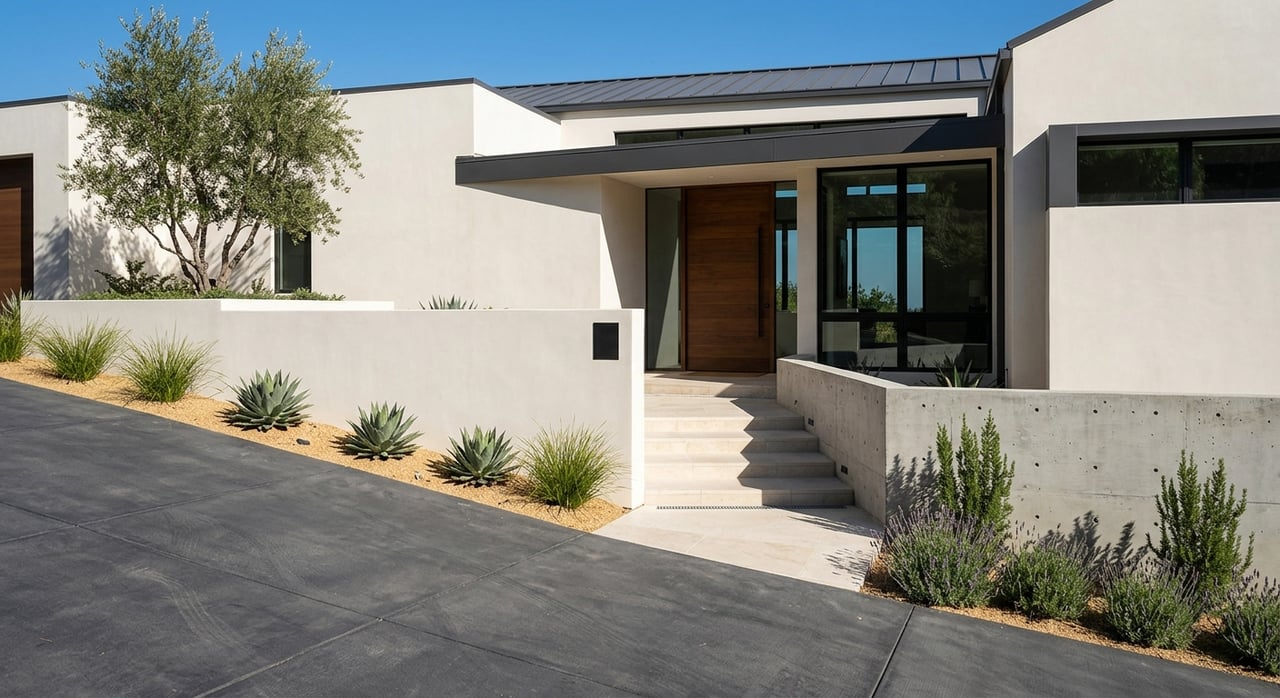
If you picture the Hollywood Hills as equal parts glamour and escape, you are not far off. Living here can feel surprisingly tucked away while still keeping you close to Hollywood Boulevard, studio corridors, and some of Los Angeles’ best-known outdoor spaces. If you are wondering whether the lifestyle fits your priorities, this guide will help you understand the setting, housing, access, and tradeoffs that shape daily life in the Hills. Let’s dive in.
Hollywood Hills at a Glance
The Hollywood Hills are not one uniform neighborhood. According to the Hollywood Hills West neighborhood map, the area includes distinct pockets such as Laurel Canyon, Outpost/Cahuenga, Nichols/Runyon, Mulholland, Hollywood Heights, and Cahuenga Pass.
That matters because the experience can shift noticeably from one section to the next. Some streets feel more secluded and canyon-like, while others place you closer to the activity below in central Hollywood.
City Planning also places the hills within the broader Hollywood Community Plan area, which includes Hollywood, Los Feliz, East Hollywood, Griffith Park, and hillside communities. Current planning policy is aimed at steering more growth toward transit-served areas in the flatter parts of Hollywood rather than into the hillsides and other low-density neighborhoods.
Terrain Shapes Daily Life
One of the first things you notice about the Hollywood Hills is the terrain. Official city planning materials describe steep landforms, canyons, and open-space areas as defining features of the neighborhood.
That topography affects almost everything, from how homes are sited to how streets curve through the landscape. A City Planning exhibit describes hillside roads here as steep and winding, even in locations that are less than a mile from Hollywood Boulevard.
In practical terms, that means your day may begin with a scenic drive down a narrow hillside street instead of a quick walk on a flat grid. For many residents, that is part of the appeal. It creates a feeling of separation from the city without placing you far from it.
Homes Follow the Land
The built environment in the Hollywood Hills tends to be low-density and largely single-family. In a City Planning case study of the area around Kun House II, the city notes that the surrounding northern Hollywood Hills neighborhood is almost entirely single-family and that homes were designed to follow the natural contours of the land.
That often translates into houses on sloping lots, irregular footprints, terraced outdoor spaces, and site-specific architecture. Unlike neighborhoods laid out on a regular street grid, the Hills often feel shaped by the land first and the homes second.
For buyers, this can be a major draw. It adds visual interest, privacy, and a stronger sense of individuality from one property to the next.
Architecture Is Part of the Identity
The Hollywood Hills are closely tied to Los Angeles architectural history. You will find a mix of period homes, mid-century modern residences, and more contemporary designs, often within a short drive of one another.
The city’s Hollywood Grove preservation overlay highlights one foothills area known for turn-of-the-20th-century Craftsman and American Colonial Revival homes. In designated historic areas, exterior changes and new construction must complement the established character, which can help preserve a more cohesive streetscape over time.
Modernism is another defining thread. The LA Conservancy’s overview of the Bailey House is one reminder of how closely the hills are linked to landmark modern residential design, alongside noted hillside homes by Richard Neutra and Frank Lloyd Wright.
If you care about design, that architectural range is a real advantage. The Hills offer homes with strong point of view, not just square footage.
Privacy and Proximity Exist Together
One of the most distinctive things about living in the Hollywood Hills is the balance between retreat and access. You can be on a quiet, winding residential street and still remain very close to the energy of Hollywood.
City Planning case materials describe this contrast clearly, noting hillside streets that feel removed while sitting less than a mile from Hollywood Boulevard. That duality is a large part of the neighborhood’s long-term appeal.
For people who work in or near the entertainment and media economy, the location can be especially convenient. The Hollywood Community Plan factsheet states that the plan reinforces Hollywood’s role as a media and entertainment jobs center and supports studio modernization in the broader district.
Getting Around the Hills
Transportation in the Hollywood Hills is different from transportation in flatter, more transit-oriented parts of Los Angeles. The street network is often narrow and winding, which shapes how quickly and easily you can move through the neighborhood.
The City of Los Angeles hillside street guidance describes these roads in much the same way: narrow, winding, and heavily influenced by grade. That can make driving more deliberate, especially on tighter canyon streets.
Rail transit is available below the hills rather than within most hillside pockets. Metro’s B Line route information shows stations at Hollywood/Western, Hollywood/Vine, and Hollywood/Highland, so many residents need to drive, bike, or connect downhill before boarding rail.
There are also supporting transit options. Metro’s Hollywood Bowl transit guide points riders toward Hollywood/Highland and shuttle connections, and planning materials show DASH service in parts of the local Hollywood area, including Beachwood Canyon. Still, for many households, the Hills are more car-oriented than the flats.
Outdoor Access Is a Major Perk
For many residents, the Hollywood Hills lifestyle is as much about outdoor access as it is about the home itself. You are close to major parks, trailheads, and elevated views that feel unusually near to one of the city’s busiest entertainment districts.
At the eastern end of the Santa Monica Mountains, Runyon Canyon Park offers 160 acres of open space and is open from sunrise to sunset. The city asks visitors to stay on designated trails, and the park does not have restroom facilities, so it helps to plan ahead.
Nearby, Griffith Park adds another layer of access to nature, with 4,310 acres for hiking, biking, horseback riding, and more. The park page also notes that the DASH Observatory/Los Feliz shuttle is the easiest way to reach Griffith Observatory or a view of the Hollywood Sign.
That combination of recreation and convenience is unusual. If your ideal routine includes morning trails, canyon views, and quick access to cultural destinations like the Hollywood Bowl, the Hills can deliver a very specific version of Los Angeles living.
What Ownership Requires
The beauty of the Hollywood Hills comes with practical responsibilities. One of the biggest is wildfire preparedness.
The Los Angeles Fire Department states that the Very High Fire Hazard Severity Zone covers most of the city’s hilly and mountainous areas and includes Hollywood. LAFD also notes that AB 38 requires wildfire-related disclosures for residential property in the zone.
For owners, that means hillside living often includes vegetation management, brush clearance awareness, and attention to fire-hardening measures. The LAFD fire zone resources are a useful reference point for understanding what may apply to a specific property.
This does not make the neighborhood less desirable, but it does mean buyers should go in with a clear understanding of maintenance and disclosure logistics. Homes here often reward thoughtful stewardship.
Who the Hollywood Hills Tend to Suit
The Hollywood Hills often appeal to buyers who prioritize views, privacy, architecture, and proximity to Hollywood’s creative core. If you value a home with character and do not mind a more car-oriented routine, the lifestyle can feel highly compelling.
It can be a weaker fit if you want flat streets, highly walkable daily errands, and a lower-maintenance property setup. The same qualities that make the Hills special, including steep terrain and hillside siting, can also make day-to-day logistics more involved.
In short, living here is a tradeoff many people gladly make. You get iconic scenery, architectural variety, and close-in outdoor access, balanced by winding roads, hillside maintenance, and the realities of fire-zone living.
Final Thoughts on Hollywood Hills Living
If you are drawn to homes with presence, topography, and a stronger sense of retreat, the Hollywood Hills offer a lifestyle that is hard to duplicate elsewhere in Los Angeles. The neighborhood is defined as much by landform and design as by location, which is why it continues to attract buyers who want something more distinctive than a standard city address.
The key is knowing which pocket, property type, and daily rhythm fit you best. If you want thoughtful guidance on how the Hollywood Hills compare with other luxury Los Angeles neighborhoods, Kathy Marshall can help you navigate the options with discretion, local perspective, and a tailored consultation.
FAQs
What is daily life like in the Hollywood Hills?
- Daily life in the Hollywood Hills is shaped by steep terrain, winding streets, low-density housing, and quick access to both outdoor recreation and central Hollywood.
What kind of homes are common in the Hollywood Hills?
- Homes in the Hollywood Hills are often single-family residences on sloping lots, with architecture that may include period homes, mid-century modern designs, and contemporary hillside properties.
How easy is commuting from the Hollywood Hills?
- Commuting from the Hollywood Hills is usually more car-dependent than in flatter parts of Hollywood, since most rail stations and major commercial corridors are located downhill.
What outdoor amenities are near the Hollywood Hills?
- Outdoor amenities near the Hollywood Hills include Runyon Canyon Park and Griffith Park, both of which offer trails, views, and access to recreation close to central Hollywood.
What should buyers know about wildfire risk in the Hollywood Hills?
- Buyers should know that much of the Hollywood Hills is in a Very High Fire Hazard Severity Zone, which can involve wildfire-related disclosures and ongoing vegetation and fire-preparedness responsibilities.
Is the Hollywood Hills a good fit for every buyer?
- The Hollywood Hills tend to suit buyers who value privacy, architecture, and views, while buyers seeking flat, highly walkable, low-maintenance living may prefer a different type of neighborhood.