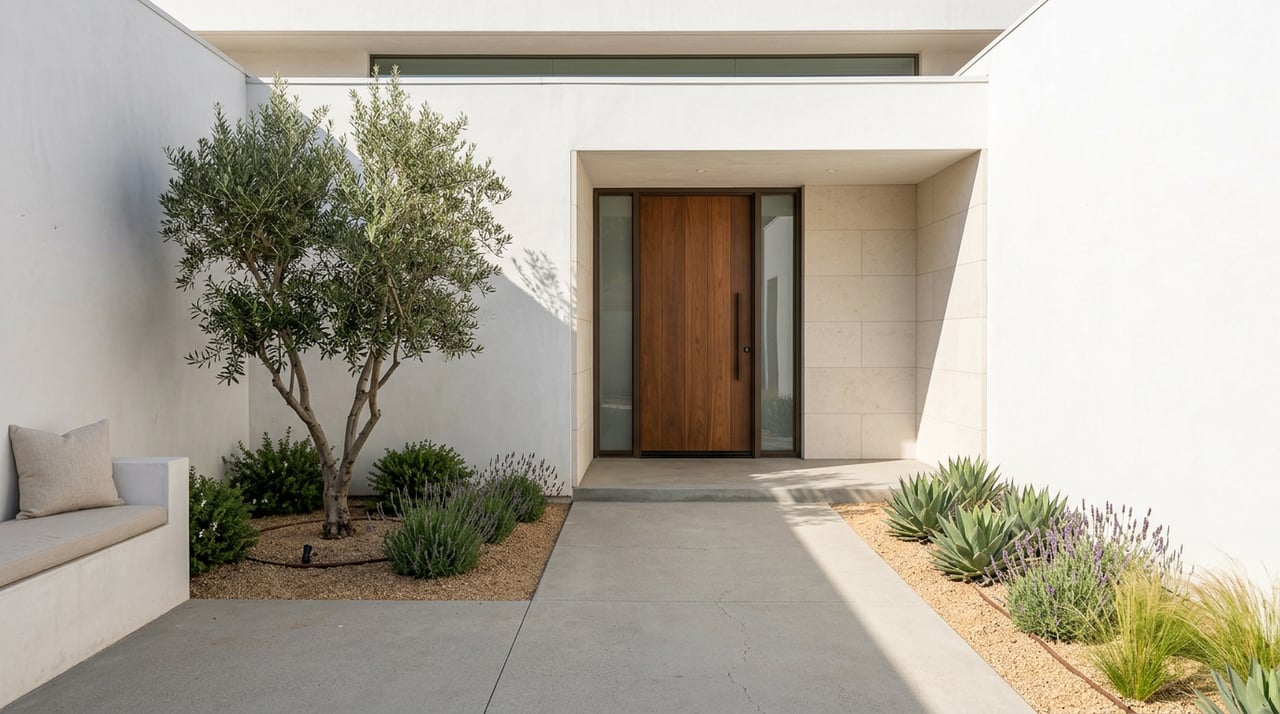
Choosing between the Venice Canals, the Walk Streets, and Oakwood can feel like comparing three great versions of beach life that look similar on a map but live very differently day to day. You might want serene water views, leafy pedestrian lanes, or a lively inner neighborhood with deep community roots. In this guide, you’ll get a clear, side‑by‑side feel for each pocket, including lifestyle rhythms, architecture, permits, and practical tradeoffs. Let’s dive in.
How these enclaves differ
- Venice Canals: quiet waterfront living with restored historic character and strict permitting.
- Walk Streets: garden‑scale bungalows and remodels on pedestrian lanes near Abbot Kinney.
- Oakwood: an inner neighborhood with historic community institutions, housing diversity, and ongoing change.
Venice Canals: quiet waterway living
The Venice Canal Historic District is a small, restored network of waterways just a few blocks from the sand. It is intentionally residential and pedestrian‑oriented, with roughly a few hundred homes and iconic footbridges that define the setting. The district is recognized for its historic character and protected status. You can explore its background through the Venice Canals Association’s overview.
Character and homes
You’ll see early 20th‑century bungalows and cottages, plus thoughtful modern infill on compact lots. Many homes enjoy canal frontage or canal‑facing yards, which is a key value driver. Because the area is historic, remodels and canal‑edge work follow public permitting and conservation rules.
Access and daily life
Expect a 5 to 15 minute walk to the beach, depending on the block, and easy bike access to the Ocean Front Walk. Weekends bring tourist energy to nearby corridors, but the interior canals remain calm and residential. Visitor basics and etiquette are covered in the Canals FAQ.
Lifestyle tradeoffs
- Limited on‑street parking and narrow bridges mean guest logistics can take planning.
- Fewer shops inside the canals, but Abbot Kinney and local favorites are a short walk or ride.
- As a historic district within the coastal zone, design review can be stricter. See the city’s Venice Local Coastal Program for policy context.
A typical morning here: coffee on a canal‑front patio, a quiet stroll over a footbridge, then a quick walk to the sand before the crowds arrive.
Walk Streets: garden‑scale calm
Venice’s Walk Streets are compact, pedestrian‑first lanes like Nowita, Marco, Amoroso, and Crescent. They were laid out for foot traffic, creating intimate, garden‑like blocks with a distinctive cottage scale. For an overview of where they run and what to expect, see this Walk Street visitor guide.
What you’ll see
The streets are lined with early bungalows and modest cottages, many carefully remodeled with rooftop decks and bright, modern interiors. The scale stays low and neighborly, which is a big part of the appeal. Listings often highlight the pedestrian rhythm and outdoor living space.
Proximity and pulse
Most blocks sit about a 5 to 15 minute walk from Abbot Kinney, putting you close to dining like Gjelina and other neighborhood staples, while staying buffered from the boardwalk. The vibe at the block level is calm and community‑oriented.
Lifestyle tradeoffs
- Pedestrian lanes mean some homes have unusual frontage and tighter delivery or access logistics. Coastal staff reports document those nuances for select blocks, so rules can vary by address. The California Coastal Commission’s 2017 exhibits are a good procedural reference.
- Parking is limited across Venice, and guest parking takes planning here too.
If you value a garden walk to dinner, then a quiet return to a cottage‑scale home, a Walk Street may fit.
Oakwood: history, culture, change
Oakwood sits just inland from the northern boardwalk and Abbot Kinney corridor. It is home to the Oakwood Recreation Center, several longstanding community institutions, and landmarks tied to Venice’s Black history. The park’s materials underscore its role as a neighborhood anchor; see the L.A. Parks agenda reference.
Housing mix and momentum
Oakwood’s housing is diverse. You’ll find working‑class cottages, duplexes, small apartment buildings, mid‑century subsidized developments, and newer architectural infill near Abbot Kinney. That mix offers more variety than the canals or interior Walk Streets, and pricing spans a wider range, with ongoing upward pressure.
Community context
Local reporting and research have documented affordability pressures, including the risk of displacement tied to market conversions and expiring affordability contracts. For broader context on housing challenges in Venice, review Human Rights Watch’s reporting. The area’s heritage is also visible in local landmarks; for example, the historic designation of First Baptist Church of Venice was covered in community news reporting.
Daily rhythm
You’re close to Abbot Kinney, local grocers, community spaces, and neighborhood schools such as Broadway Elementary. The Oakwood Recreation Center’s fields and programs add day‑to‑day convenience. For many residents, that combination of institutions, retail access, and housing options is the draw.
Everyday logistics to weigh
Beach, tourism, and noise
All three areas are near Venice Beach. Corridors by the boardwalk see heavier weekend crowds, while the interior canals and Walk Streets tend to feel quieter on the block. Visitor impacts and etiquette are noted in the Canals FAQ.
Parking and access
Parking across Venice is tight. Walk Streets were designed for pedestrians, so some frontage and delivery logistics are unique, and guest parking takes planning. For specific block conditions, coastal staff exhibits can be a useful reference.
Permits and historic rules
The canals fall within a city historic district and coastal zone, which can mean additional review for remodels and canal‑edge work. Walk Streets often appear in design‑sensitive cases, and Oakwood includes local landmarks with preservation efforts. The city’s Venice Local Coastal Program provides helpful policy background.
Flood and sea‑level planning
Low‑lying canal blocks are near mean high tide, so long‑term sea‑level rise and nuisance high‑tide flooding matter. Explore scenarios with NOAA’s Sea Level Rise Viewer and consult your insurer or engineer for site‑specific guidance and potential mitigation.
Schools and parks
Oakwood is closest to community institutions like Oakwood Recreation Center and nearby schools. The canals and Walk Streets are also within walk and bike range. Always confirm current school boundaries and enrollment policies before you decide.
Architecture primer: what you’ll tour
Venice blends historic and modern design. City planning documents for the coastal zone offer context on neighborhood character and historic resources; see the Venice LUP for a starting point. On tours, you’ll likely encounter:
- Bungalows and Craftsman cottages: early 20th‑century wood‑frame homes, often with porches and low‑slung rooflines.
- Mission or Spanish Revival touches: stucco, modest arches, clay tile accents.
- Modern infill and remodels: clean volumes, glass, rooftop decks, and indoor‑outdoor living, especially near the Walk Streets and Oakwood.
Which one feels right?
- Choose the Venice Canals if you want serene waterfront living, historic charm, and you are comfortable with stricter permits and parking tradeoffs.
- Choose a Walk Street if you want a cottage‑scale, pedestrian rhythm with quick walks to Abbot Kinney and are fine with creative access and storage solutions.
- Choose Oakwood if you want proximity to community institutions and a wider range of housing types within a neighborhood that honors its history and continues to evolve.
If you’re weighing these pockets and want a grounded, design‑minded tour of opportunities on and off market, connect with Kathy Marshall for a private valuation and consultation tailored to how you live.
FAQs
Which Venice area is quietest for daily living?
- Interior blocks of the Venice Canals are typically the quietest, with interior Walk Streets also feeling calm; boardwalk‑adjacent corridors see more weekend activity, as noted in the Canals FAQ.
Are Venice Walk Streets completely car‑free?
- No. They are pedestrian‑oriented public ways, and frontage and access rules vary by street. Coastal staff exhibits are a good reference for how specific blocks function.
Do Venice Canals homes require flood insurance?
- Many low‑lying and waterfront properties face higher flood risk and potential insurance or mitigation needs. Review NOAA’s Sea Level Rise Viewer and consult your insurer for a property‑specific answer.
How close are these areas to Abbot Kinney and the beach?
- All three are within walking or biking distance. The canals and Walk Streets are closest‑in and typically 5 to 15 minutes on foot to the sand or Abbot Kinney, as referenced in visitor guides and the Canals FAQ.
Is Oakwood protected from redevelopment pressures?
- Not entirely. Oakwood has active preservation efforts and historic institutions, but reports note ongoing market pressure and affordability risks. For context, see Human Rights Watch’s reporting and local landmark coverage like First Baptist Church’s designation.