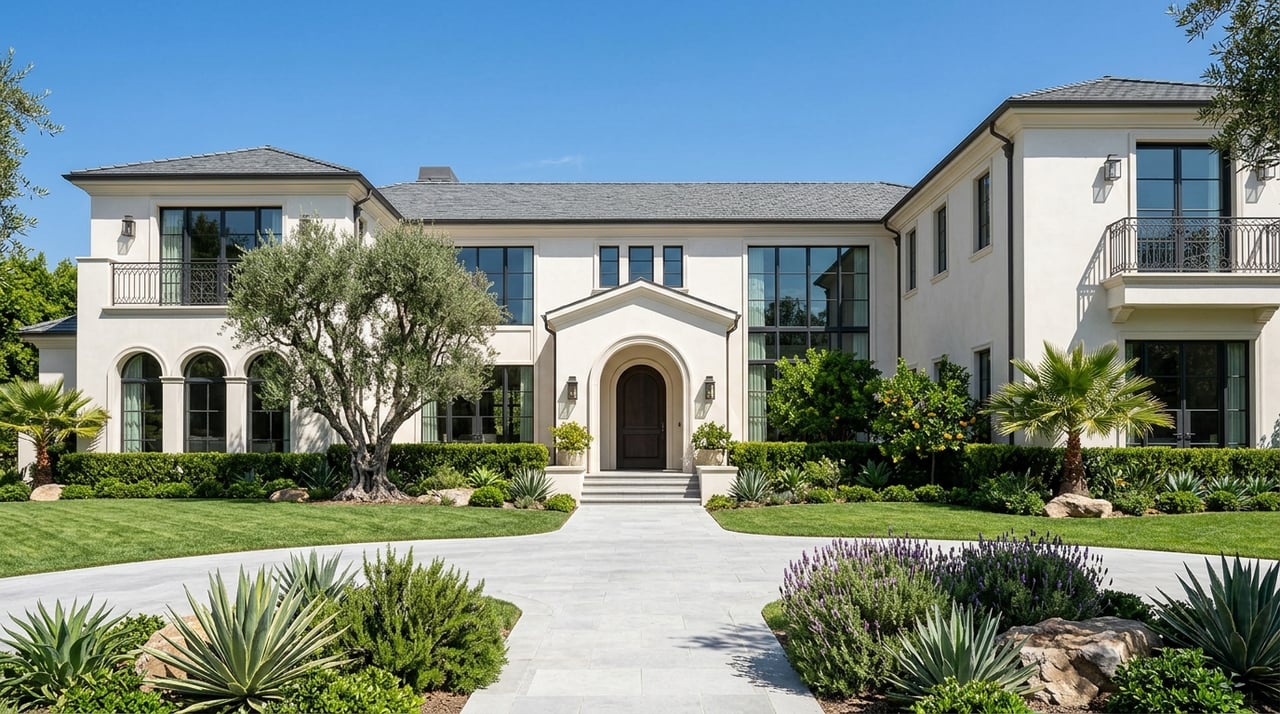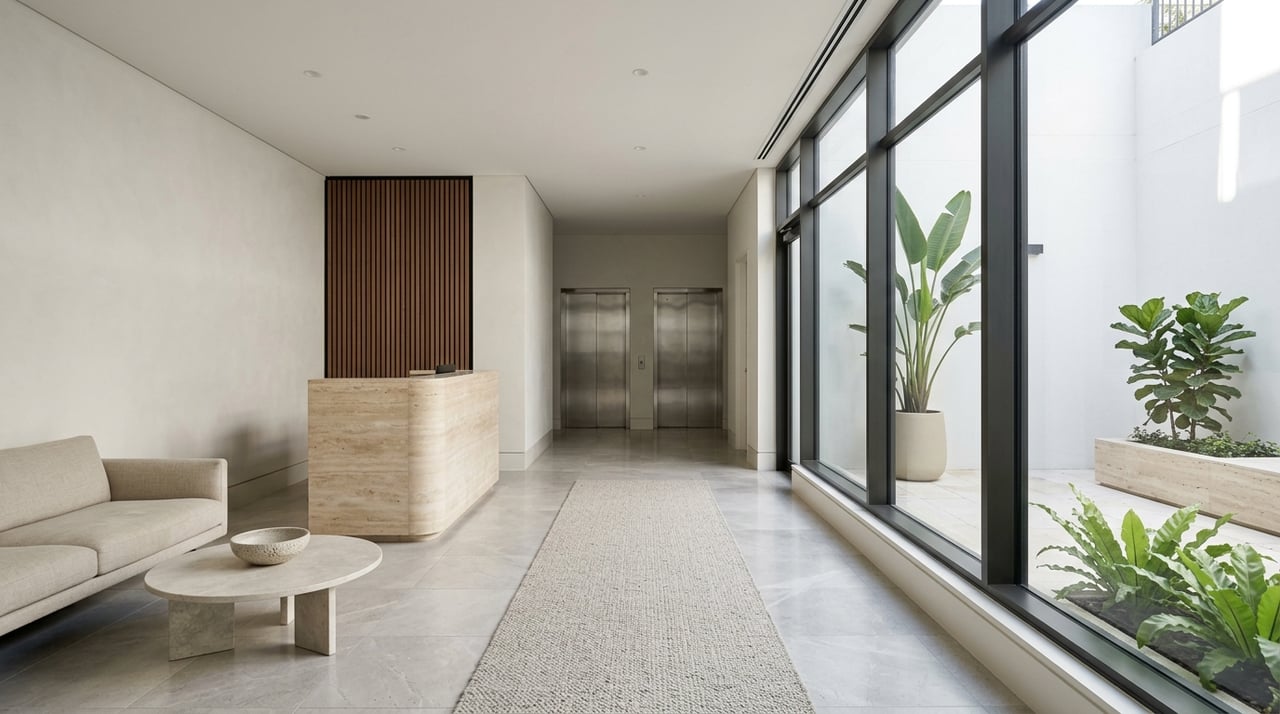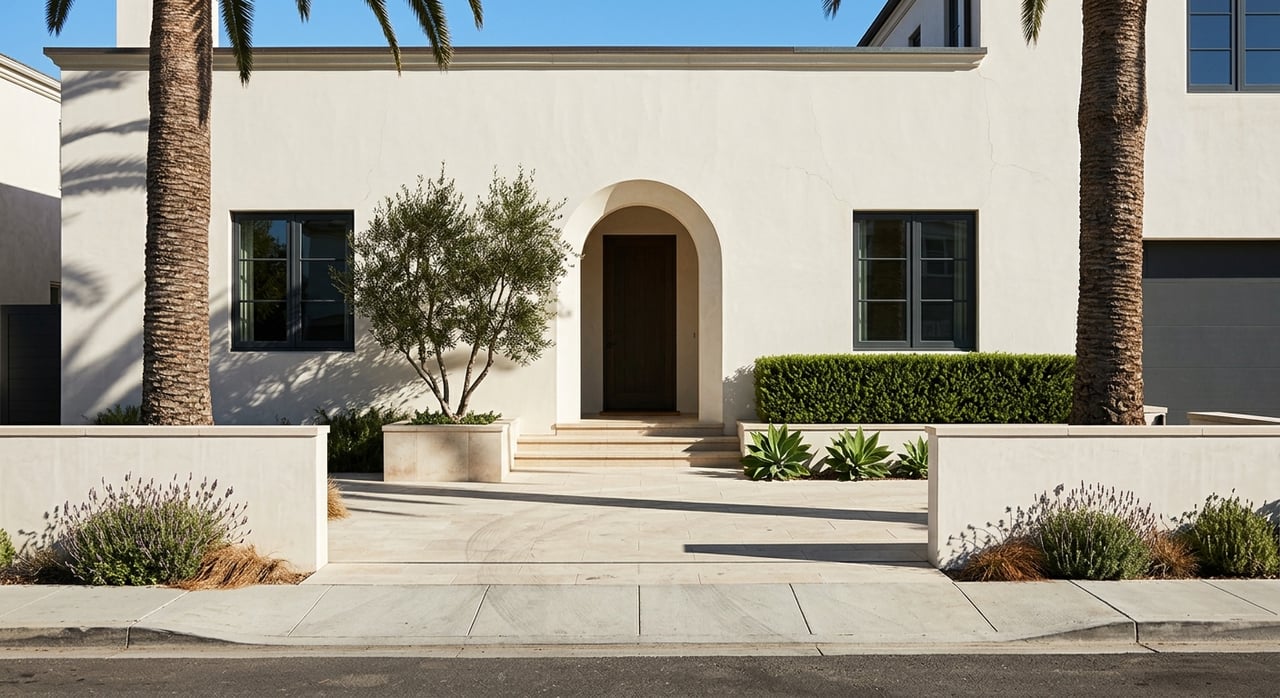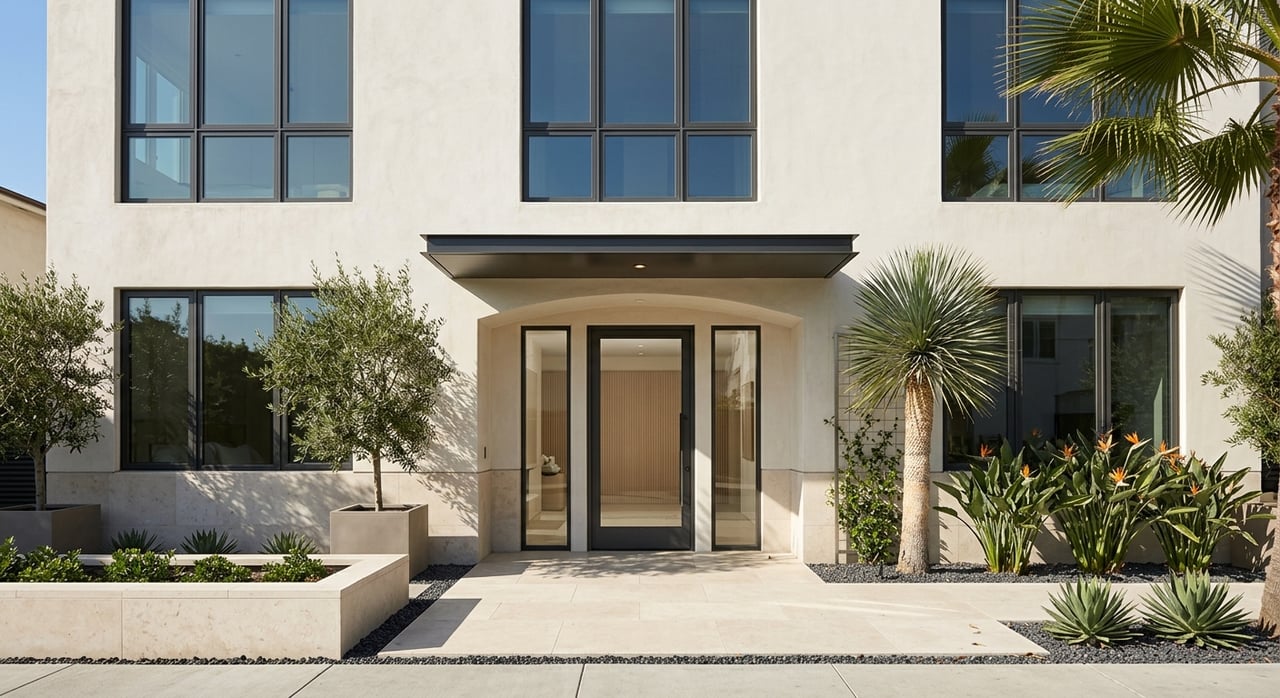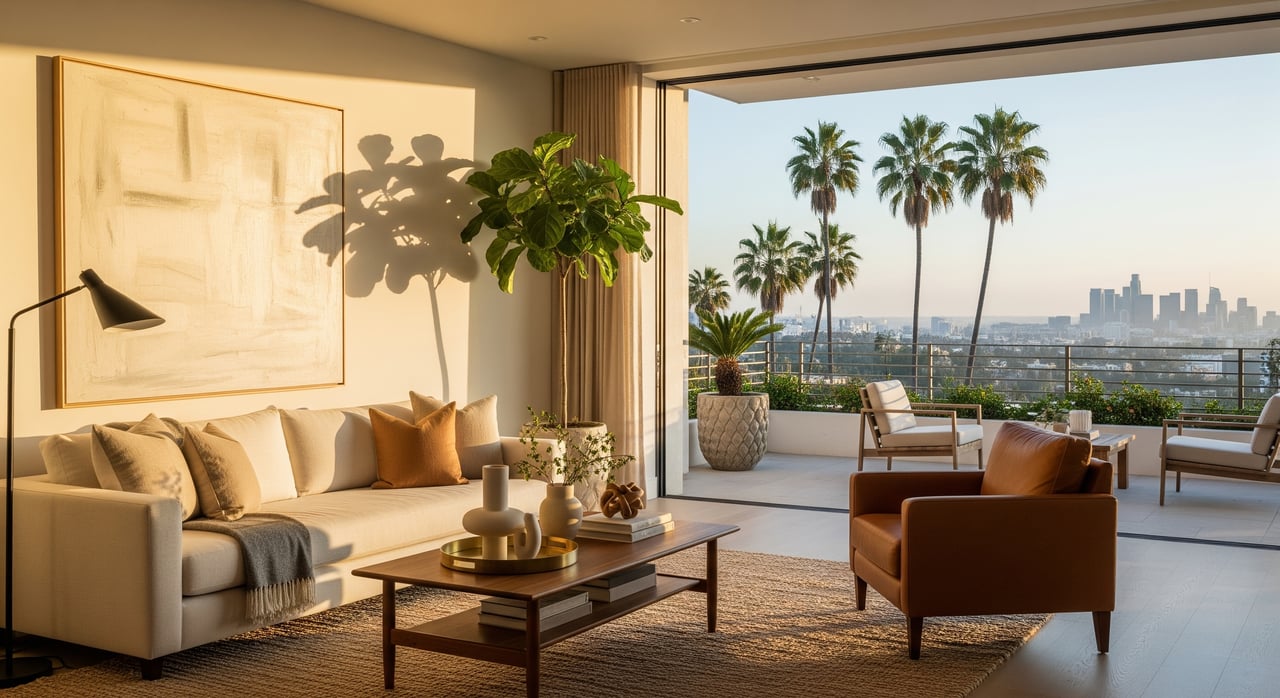
Are you planning to list a Hollywood home in Q1 and wondering how to make it irresistible on camera and in person? In this market, buyers often come from the entertainment world, and they evaluate a property the way they judge a set. They respond to lighting, composition, narrative, and the feeling of a place as much as its specs. This guide shows you how production-quality staging can elevate perception, shorten time on market, and help attract stronger offers. Let’s dive in.
Why Hollywood staging is different
Hollywood and the greater Los Angeles-Long Beach-Glendale area attract producers, directors, designers, and high-net-worth creatives. These buyers value design quality, storytelling, privacy, and spaces that support entertaining or creative work. Homes that photograph and film beautifully tend to stand out, and outdoor living matters year-round. In Southern California’s drought-aware landscape, low-water design is common and can be part of your curb appeal strategy.
Treat your listing like a small production. When you combine thoughtful staging with strong photography and video, you speak the language of entertainment buyers and highlight how the property lives on camera. The result is often faster attention and higher-quality offers than standard staging alone.
Start with camera-first lighting
Match color temperature
Mixed light can make rooms look muddy. Daylight is roughly 5600K and traditional tungsten reads around 3200K. Aim for consistent color by switching bulbs to a shared temperature or by correcting white balance during capture, which reduces color casts in photos and video.
Layer for depth and control
Use ambient, task, and accent lighting to create dimension. Overheads establish base light, task lights under cabinets or at desks define function, and lamps or wall washers add shape and warmth. For video, continuous LED panels with soft modifiers can lift shadows and prevent harsh highlights.
Time the light
Maximize soft natural light by cleaning windows, opening curtains, and removing screens that block brightness. Avoid direct sun patches that blow out highlights by shooting in gentle daylight or using diffusers. For twilight or evening showings, stage practical lighting so spaces feel cinematic rather than relying on flash.
Clean sightlines and flow
Define your hero angle
Each room should have a primary viewpoint that shows key features in one frame. Align architectural axes so the camera captures the fireplace, a dramatic window, or built-ins in a single composition. Keep the camera height near chest to eye level, which looks natural and avoids distortion.
Clarify function with furniture
Use furniture to show scale and purpose without blocking pathways. Float pieces to open sightlines and lead the eye toward the best feature, such as city views or an art wall. Remove excess chairs, ottomans, and cords that create visual noise.
Edit relentlessly
Declutter surfaces and remove personal items that distract from the narrative. Hide laundry baskets, pet gear, and countertop appliances. Clean floors and rugs so edges read crisp on camera.
Use artwork and narrative thoughtfully
Curate a subtle story
Entertainment buyers respond to a lifestyle narrative that feels authentic. Consider tasteful art and props that nod to local creative culture, such as a vintage poster in a study or a well-styled media nook. Keep personal photos out of view, and focus on a small number of high-quality pieces that signal sophistication.
Stage one flexible creative space
Even if the home is not used for production, a well appointed office or screening room can resonate. Include dimmable lighting, a clear desk surface, proper power access, and seating that frames a screen or view. On a terrace, use layered lighting and defined seating to suggest hosting and conversation.
Follow disclosure rules
If certain art or props are rentals or not included in the sale, follow local MLS guidance on disclosures. Transparency preserves trust and avoids confusion during negotiations.
Choose texture and color that read
Cameras can flatten contrast, so lean into tactile layers. Combine leather, linen, and textured throws to create depth that photographs well. Avoid very small, busy patterns that can cause moiré on video, and keep your palette restrained with one or two accents for a clean, editorial look. Minimize glare by angling mirrors and reducing strong overhead fluorescents so reflections do not distract.
Mind sound, privacy, and security
For walkthrough video, ambient noise matters. Plan recording during quieter times and add soft surfaces, like rugs and drapes, to reduce echo. Lock away sensitive items and confirm a protocol for access to ensure discretion during shoots and showings. If the property features secure entries or a gated drive, highlight these during tours.
Build the right production team
Key vendor roles
- Professional stager: Plans furniture, art placement, and set dressing, and coordinates with your agent on hero shots and timelines.
- Real estate photographer: Captures stills, twilight images, and aerials where permitted.
- Videographer: Produces smooth walkthroughs with stable camera movement and thoughtful lighting.
- Home stylist: Fine-tunes accessories, closets, and flat lays for editorial polish.
- Production coordinator: Optional on larger shoots to manage parking, permits, and crew logistics.
Simple timeline
- Staging and setup
- Photography
- Video
- Open house and showings
Allow a full production day for larger homes and schedule touch ups after deep cleaning. Share a shot list with priority rooms, usually the kitchen, living room, primary suite, and outdoor entertaining spaces.
Useful technical specs
Moderate wide lenses in the 16 to 24mm full-frame range feel natural and avoid heavy distortion. Request high-resolution images for marketing materials, and 1080p or 4K video for clarity across channels. For video, 24 fps gives a cinematic look and 30 fps works well online. Drone footage can be powerful, and operators should be licensed and compliant with local rules.
Permits and rules to plan for
If your shoot requires public right-of-way, significant equipment, or larger crews, consult the local film permitting authority early. Follow local MLS requirements for disclosing virtual staging or significant photo retouching. Commercial drone work should comply with applicable certification and any neighborhood rules, especially near airports or helipads.
Budget, ROI, and timing
Typical cost ranges
- Professional photography: usually $200 to $700, depending on package and number of images.
- Videography: typically $500 to $2,500 or more, depending on length and complexity.
- Partial staging: often $300 to $2,000 for accessories and accent pieces.
- Full staging: frequently $2,000 to $20,000 or more based on size and rental length.
- Virtual staging: about $30 to $150 per image.
Ask for local references and before-and-after examples in Hollywood or West Hollywood to understand neighborhood pricing and outcomes.
What sellers can expect
Industry surveys consistently find that staged homes sell faster or for higher prices than unstaged properties, and the effect is often stronger when marketing to entertainment buyers who judge on-camera appeal. Returns vary by list price, inventory, and quality of production. Treat staging as a marketing investment and compare days on market and list-to-sale ratios for staged versus unstaged homes nearby.
Timing for a Q1 launch
Plan staging and photography 1 to 2 weeks before going live to allow for any repairs and scheduling. For larger staging deliveries, build a 2 to 3 week runway. Schedule shoots when natural light is optimal for your property.
Pre-shoot checklist
- Deep clean and declutter, including closets and pantries.
- Remove personal photos and visible cords; keep decor intentional and minimal.
- Repair burned-out bulbs, chipped paint, and sticking doors.
- Confirm parking access for crew; arrange temporary no-parking or valet if needed.
- Remove or board pets during shoots.
- Prioritize living room, kitchen, primary suite, outdoor spaces, and an office or media room.
- Confirm preferred white balance and shoot window with your photographer.
- Place a few hero decor pieces, such as high-quality pillows, a throw, a small bouquet, or a styled tray.
Showings for entertainment buyers
- Stage one flexible studio or media room with dimmable lighting, clear power, and minimal acoustic treatments.
- Demonstrate privacy by showing how blinds, gates, or driveways secure the home.
- Provide a one-page spec sheet with square footage, ceiling heights, AC zones, power details, internet speed, soundproofing notes, and any film permit history if applicable.
When you want bespoke marketing
If your goal is a camera-ready launch that reaches the right buyers, align staging, photography, video, and messaging under one vision. A thoughtful narrative and production-quality presentation can elevate every channel, from MLS to private previews. For discreet guidance tailored to Hollywood and the Westside, request a private consultation with Kathy Marshall.
FAQs
What makes Hollywood staging different from other markets?
- The buyer pool includes entertainment professionals who value on-camera appeal, privacy, and spaces for entertaining or creative work, so production-level staging and visuals can be decisive.
How should I light rooms for photos and video?
- Keep color temperature consistent, layer ambient, task, and accent light, and schedule shoots in soft daylight or use diffusion to avoid harsh highlights.
Do I need permits for a listing photo or video shoot?
- Smaller shoots on private property typically do not, but larger productions or any use of public right-of-way may require permits, so consult local authorities early.
Is drone footage allowed in Los Angeles?
- Yes with proper licensing and compliance, and operators must follow applicable regulations, especially near airports or helipads.
How much should I budget for staging and media?
- Costs vary by home size and scope, but photography is often $200 to $700, video $500 to $2,500 or more, partial staging $300 to $2,000, and full staging $2,000 to $20,000 or more.
Is virtual staging as effective as physical staging?
- Virtual staging is cost-effective for online presentation, but physical staging usually performs better for lifestyle video and in-person showings, and disclosures may be required.