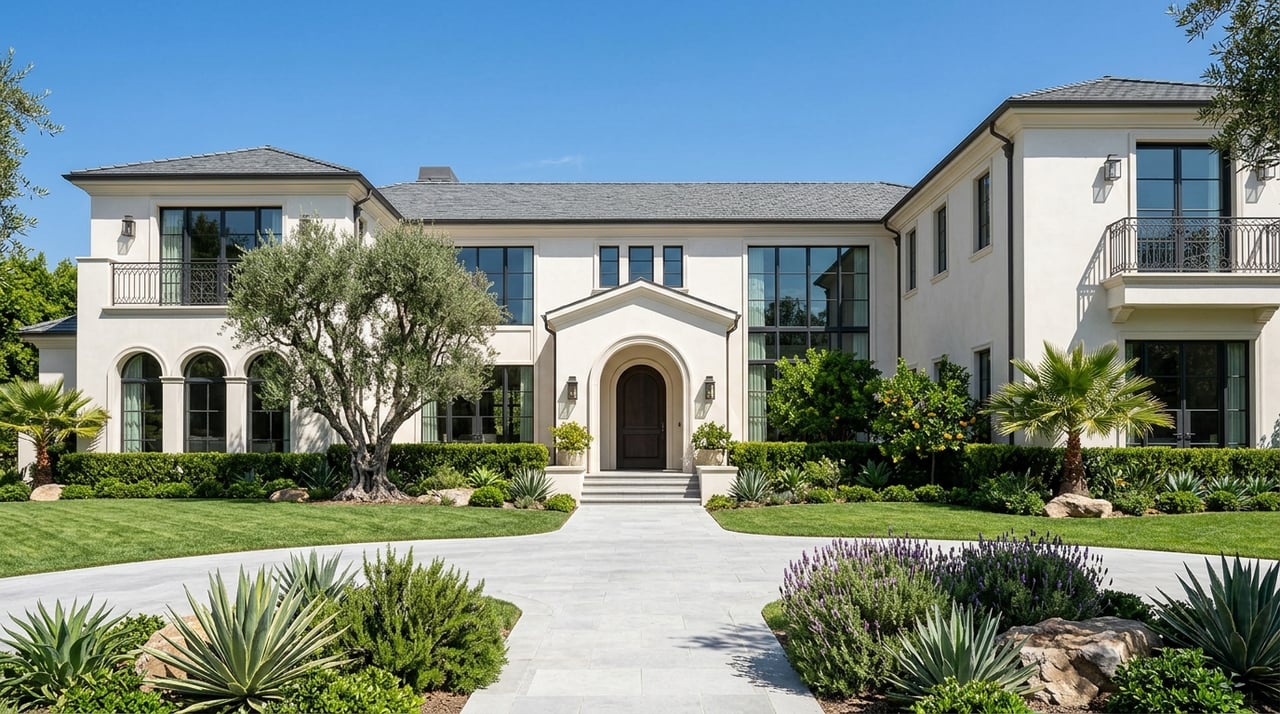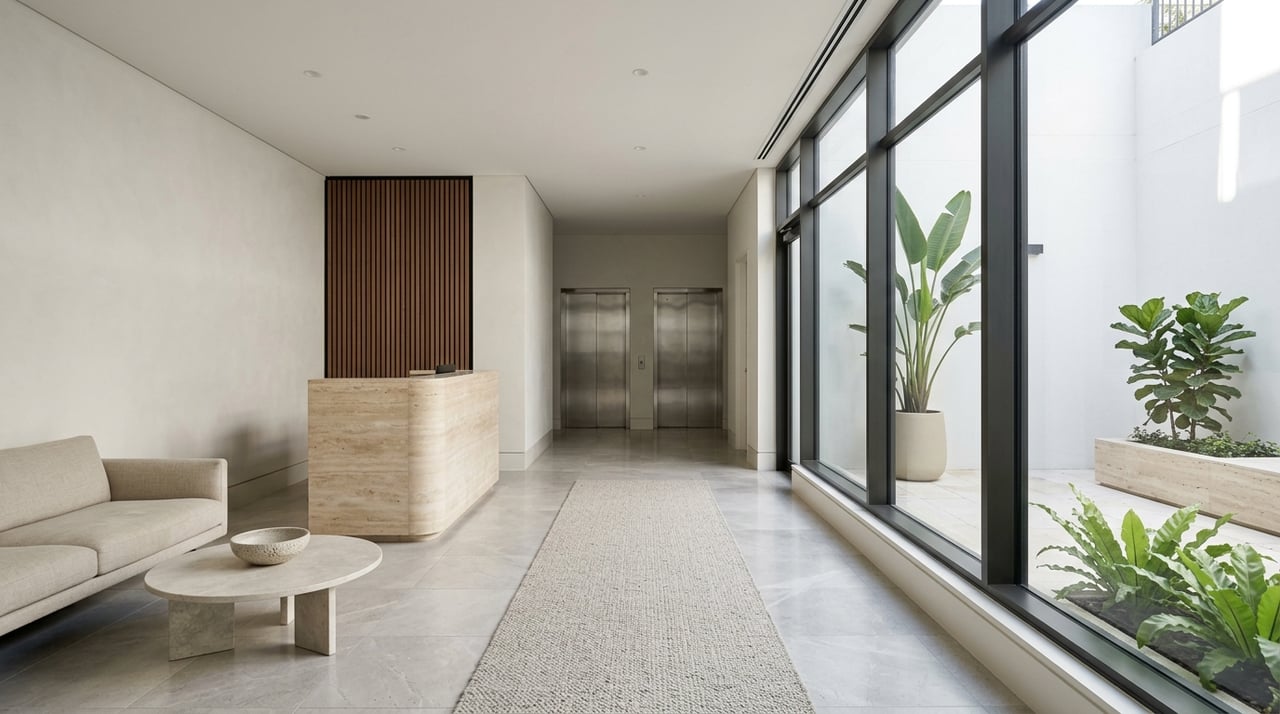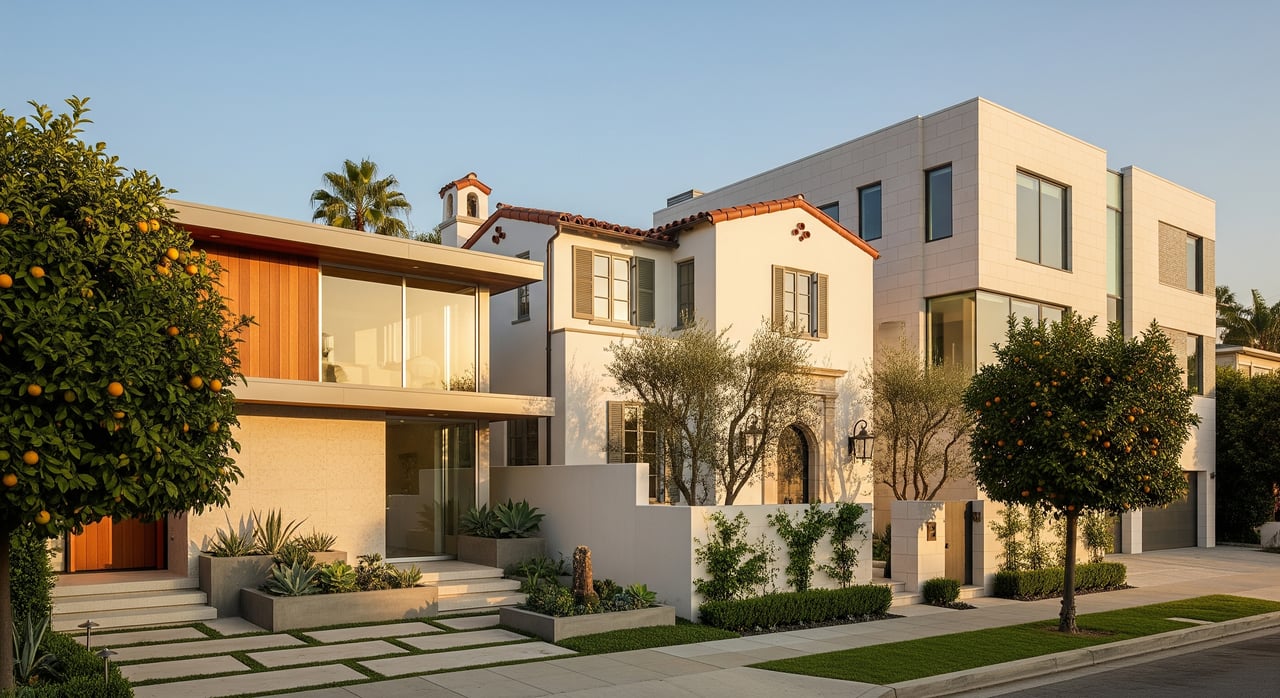
Love the charm of a 1920s bungalow and the clean lines of a glassy condo, but not sure what you are looking at in West Hollywood? You are not alone. In WeHo, style signals how a home lives, what it will cost to maintain, and what rules may guide future changes. This guide breaks down the five styles you will see most often and gives you smart touring notes, maintenance watchouts, and resale insights. Let’s dive in.
Why style matters in West Hollywood
West Hollywood is compact and design-forward. On the same block, you might see a 1930s courtyard building next to a sleek new condo. That mix is part of the city’s appeal and also why understanding style helps you anticipate layout, light, privacy, and upkeep.
Style can also hint at renovation rules. Some buildings have historic value that may trigger review for exterior changes. If you are considering a property with potential designation, review the city’s guidance on cultural resources through the City of West Hollywood’s historic preservation program. For broader context on local architectural traditions, the Los Angeles Conservancy’s style guides are a useful primer.
Style guide at a glance
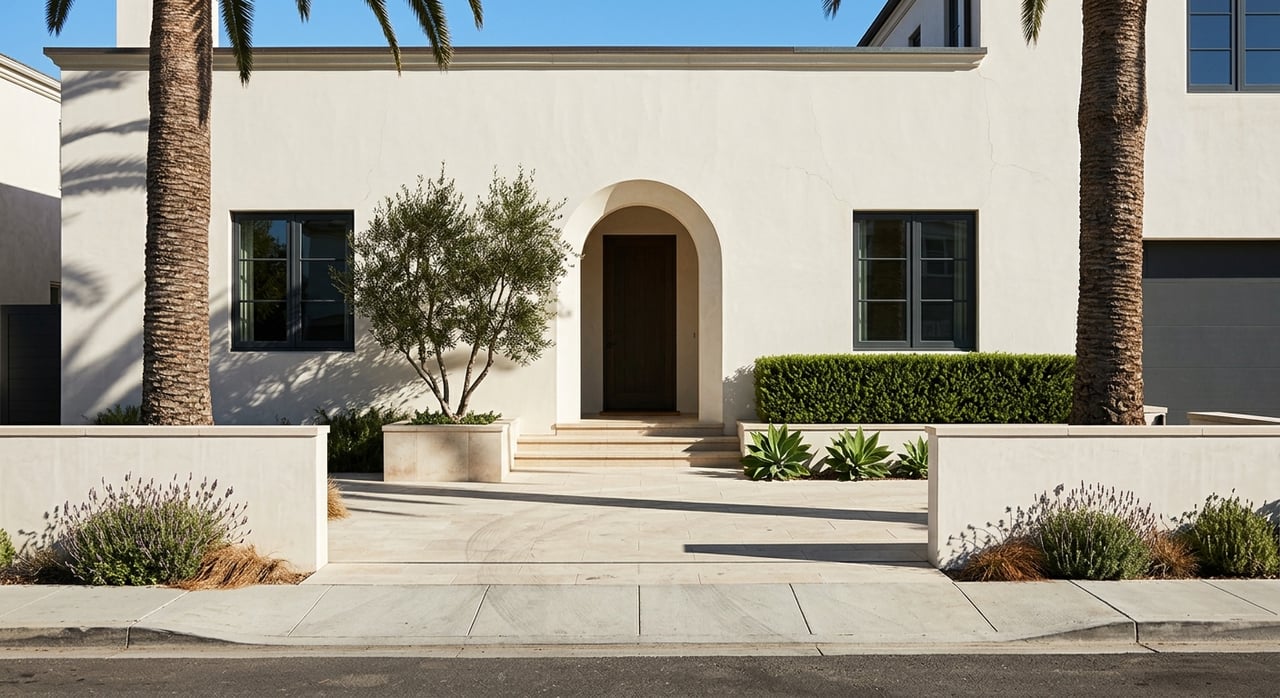
Spanish Revival
You will recognize Spanish Revival by smooth or textured stucco, low-pitch red tile roofs, arched openings, and decorative ironwork. In WeHo, it shows up in single-story bungalows and intimate courtyard apartments from the 1910s to 1930s. Interiors often feel cozy, with thick walls that help regulate temperature and small windows that can soften natural light.
Maintenance centers on the envelope. Hairline stucco cracks are common and should be addressed to avoid moisture intrusion, a best practice supported by NPS Preservation Brief 22 on stucco care. Clay tile roofs last a long time when the underlayment and flashing are sound, but tiles can crack or slip. Roofing strategy and materials are critical, as outlined in NPS guidance on roofing for historic buildings.
Resale hinges on authenticity and condition. Original tile, carved doors, and intact ironwork often add value. If you prefer bright, open interiors, assess whether an interior rework is feasible within the existing structure and confirm permitting paths with the city if the exterior is a protected feature.
Mid-Century Modern
Mid-Century Modern favors clean lines, post-and-beam structure, big panes of glass, and an easy indoor-outdoor flow. In West Hollywood, you will see this in duplexes, single-family homes, and low-rise apartments from the 1940s to 1960s. Many layouts feel airy and social, which remains a major draw today.
Watch the roof and glazing. Flat or low-slope roofs demand periodic inspection to prevent leaks, and older built-up systems may be near end of life. Large single-pane windows look great but are less efficient; upgrades that respect the look can be costly. For context on the period and preservation mindset, review the Los Angeles Conservancy’s Mid-Century Modern overview and the NPS roofing brief noted above.
Resale tends to reward well-kept originals or sensitive restorations. Buyers often value true mid-century details paired with targeted improvements such as upgraded HVAC and roof work.
Contemporary
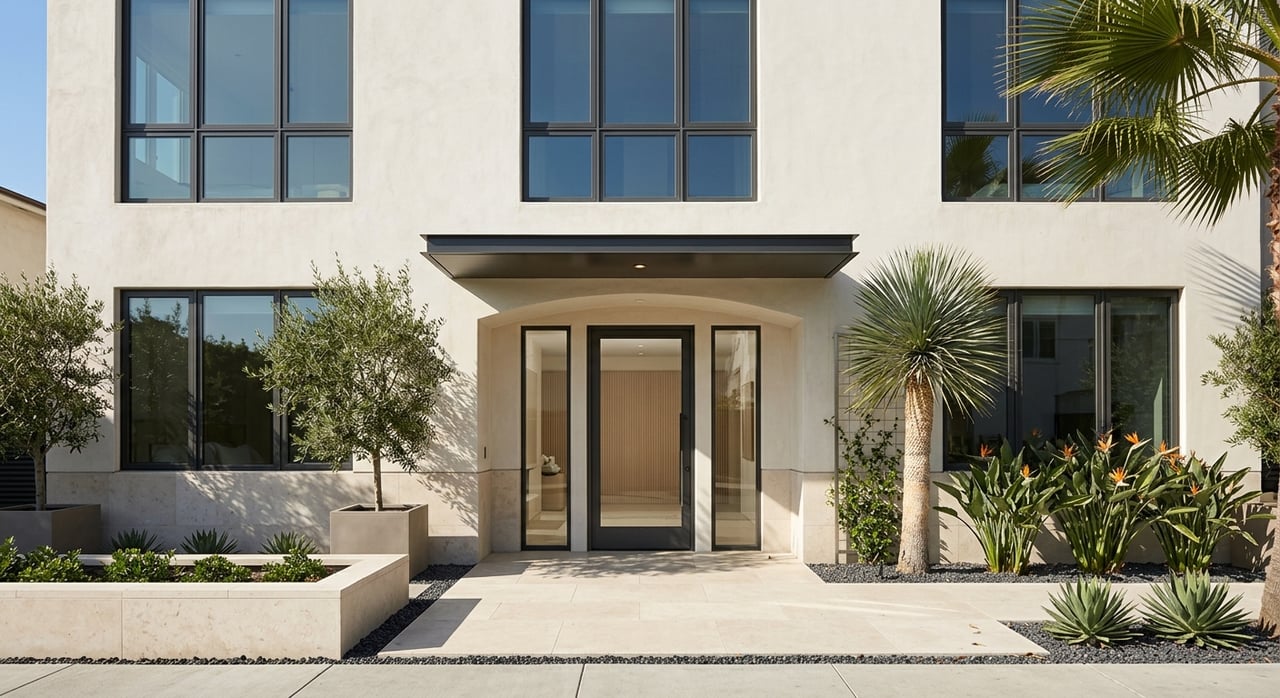
Contemporary infill in WeHo ranges from townhomes to multi-story condos and one-off single-family rebuilds from the 1990s to today. Expect minimalist massing, large windows, mixed cladding, rooftop decks, and modern systems. Many projects prioritize efficient floor plans, in-unit laundry, and building amenities.
Maintenance is often lighter in the first years, though complex envelopes and high-end finishes require specialized care. Waterproofing at rooftop decks is important. In condos, warranties, reserve funding, and rules set by the HOA will shape long-term ownership costs and flexibility.
Resale performance varies by location, build quality, and HOA health. Newer properties can command a premium with buyers who want low-maintenance living and modern features.
Craftsman
Craftsman homes are prized for their low gable roofs, exposed rafter tails, tapered porch columns, and rich wood details. In and around West Hollywood, you will find early-1900s to 1930s bungalows, sometimes clustered in small courts. Interiors often include built-ins and natural woodwork that create a warm, handcrafted feel.
Expect ongoing care for wood elements. Eaves, windows, and siding need regular painting and checks for rot. Older plumbing and electrical systems are common and may require updates for safety and function. Foundation and settlement should be part of your inspection plan.
Resale typically rewards authenticity. Well-preserved or carefully updated bungalows are in short supply relative to multi-family stock, which can support pricing. If a property has been converted to multiple units, confirm legal status and permits.
Art Deco
Art Deco stands out with vertical emphasis, geometric motifs, smooth stucco or masonry, and decorative tile or terra-cotta. Streamline Moderne, a related style, features curved corners and horizontal banding. In WeHo, you will see Deco on commercial façades and smaller apartment buildings dating from the 1920s to 1940s.
Maintenance can be specialized. Decorative terra-cotta, metalwork, and steel or casement windows can be expensive to repair or replicate. Masonry and stucco require attention to cracks and flashing, and older single-pane steel windows may need sensitive repair or replacement to manage corrosion.
Resale often reflects the strong visual character. Buyers who love period detail value authenticity, while renovation constraints may apply if a building has historic status.
Touring checklists by style
Spanish Revival
- Scan roof tiles for cracks or slips and check underlayment and flashing in the attic if accessible.
- Look for stucco cracks, staining, or efflorescence that can indicate moisture.
- Inspect ironwork and wood doors for rust, rot, and paint condition.
Mid-Century
- Check flat or low-slope roofs, drains, and ceilings for signs of leakage.
- Note window type and inspect frames at large glazed walls for moisture or rot.
- Observe cantilevers for deflection or water staining.
Contemporary
- Ask for window, waterproofing, and roof warranties and service records.
- Review HOA reserve studies and maintenance schedules if applicable.
- Inspect rooftop decks and exterior transitions for solid waterproofing.
Craftsman
- Probe porch columns, eaves, and siding for rot or insect damage.
- Verify plumbing and electrical upgrades where relevant; ask about pre-1978 materials.
- Check foundation for settlement and look for seismic upgrades.
Art Deco
- Examine decorative tile, terra-cotta, and metal details for prior repairs.
- Test windows and confirm whether replacements meet any historic guidelines.
Cross-style red flags in WeHo
- Signs of water intrusion such as staining, mold, or efflorescence.
- Roofs nearing end of useful life or showing deferred maintenance.
- Unpermitted additions or conversions that can affect financing and resale.
- Foundation cracks or major settlement issues.
- Aging mechanicals, such as end-of-life HVAC or original galvanized plumbing.
- Older masonry or wood-frame buildings lacking seismic upgrades; explore guidance on retrofits through the California Earthquake Authority’s retrofit resources.
Renovation and rules in West Hollywood
Permits are required for substantial renovation, and unpermitted work can complicate financing and resale. Before planning exterior changes to a potentially historic property, review the City of West Hollywood’s historic preservation process and speak with the planning and building divisions about your scope.
If you are exploring an ADU for added flexibility, California law has expanded ADU opportunities. Local filing and design rules still apply, so start with the state’s overview from the California Department of Housing and Community Development and confirm local requirements with the city.
For condo or HOA properties, study CC&Rs, reserve studies, and any special assessments to understand maintenance responsibility and future costs. These details shape long-term value more than finishes alone.
Match style to how you live
- Spanish Revival and Craftsman: Great if you love period charm, handcrafted details, and walkable, human-scaled homes.
- Mid-Century Modern: Ideal if you want open plans, indoor-outdoor living, and iconic post-and-beam architecture.
- Contemporary: Best for low-maintenance living with modern systems, efficient layouts, and building amenities.
- Art Deco: Perfect if you value urban character, bold geometry, and boutique apartment living.
Inventory in West Hollywood tilts toward multi-family and condos. Standalone bungalows and detached single-family homes are less common, which can support premium pricing for well-preserved examples.
Your next step
If a property’s design speaks to you, the right guidance can help you secure it and plan smart updates that honor its character. For a curated plan tailored to your style, budget, and timeline, connect with Kathy Marshall for private advice and access to select on- and off-market opportunities.
FAQs
How do I identify Spanish Revival features in WeHo?
- Look for smooth stucco, red tile roofs, arches, and decorative ironwork, often on 1910s–1930s bungalows or courtyard apartments.
Are historic West Hollywood properties harder to remodel?
- Exterior changes may require review if the property is a designated resource, so start with the city’s historic preservation guidance and plan timelines accordingly.
Do flat roofs on mid-century homes leak more?
- They require attentive maintenance and proper drainage, and best practices for materials and detailing are outlined in NPS roofing guidance.
What should I ask an HOA in a contemporary condo?
- Request warranties for windows and waterproofing, review reserve studies and special assessments, and confirm rules that affect use and future costs.
Are ADUs allowed in West Hollywood?
- California supports ADUs statewide, but local processes apply, so review the state’s ADU overview and verify city requirements before you plan.
How important is seismic retrofitting for older buildings?
- Very important in earthquake-prone LA, and the California Earthquake Authority provides homeowner-friendly guidance on assessing and upgrading.